
 Saludos, cada día que pasa, o mejor, semana o ciclo de dos semanas vSphere Web Client mejora y podemos ver un producto cada vez más maduro, os dejo una captura de pantalla de la última Release 3.0, que ya luce genial.
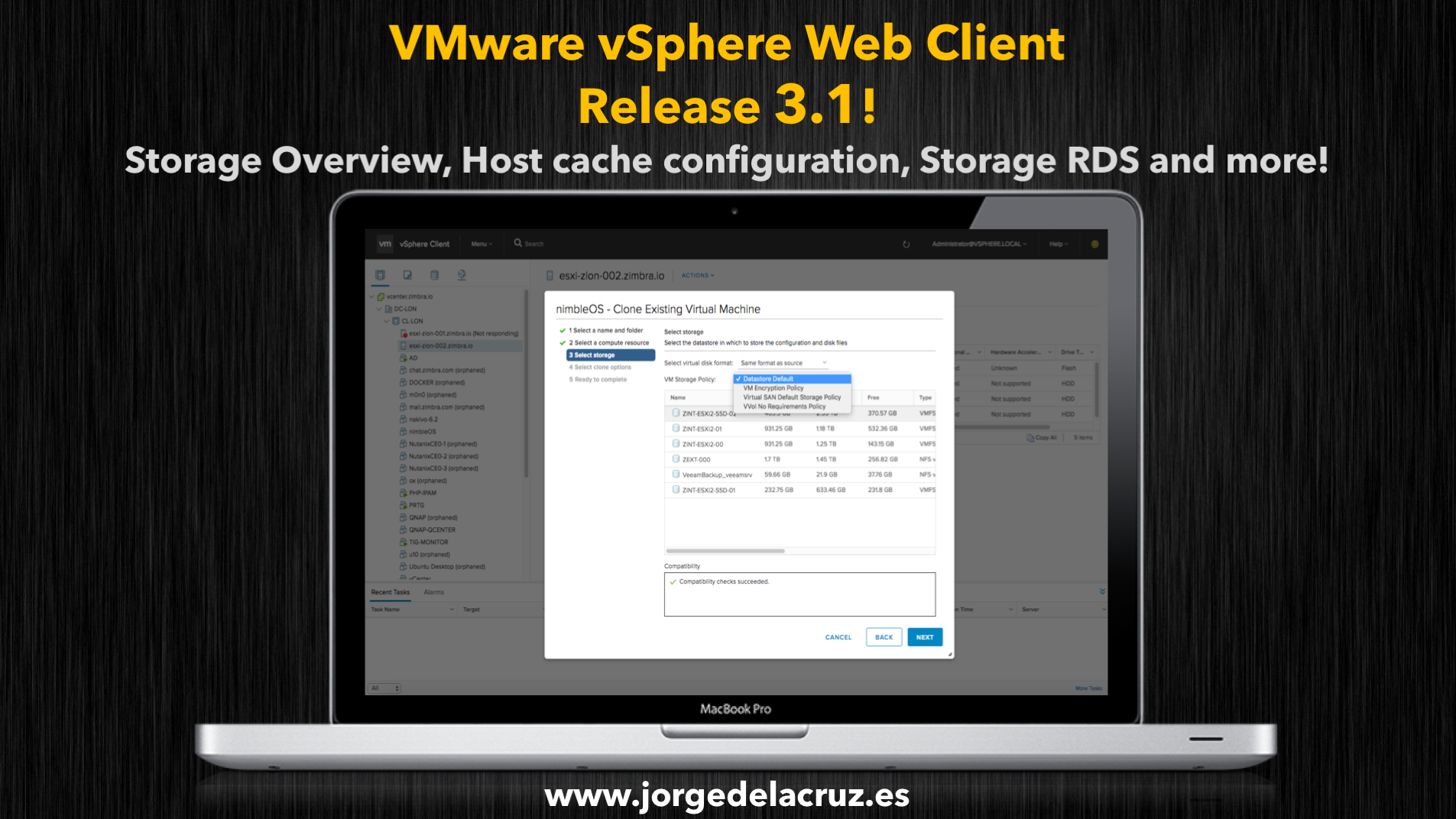
ACTUALIZADO – Proceso de actualización a Release 3.1 – Build 4979752
Vamos a ver los pasos para actualizar a la última versión, que podemos tener en pocos minutos, otra de las mejoras de este nuevo vSphere Web Client.
Lo primero que haremos será detener el servicio actual de vSphere Web Client:
localhost:~ # /etc/init.d/vsphere-client stop
Stopping vSphere Client Web Server
....
Successfully stopped the vSphere Client Web Server
Descargaremos ahora la última release con el siguiente comando:
wget https://download3.vmware.com/software/vmw-tools/vsphere_html_client/installer-3.1.0.bsx --no-check-certificate
--2017-01-27 17:00:00-- https://download3.vmware.com/software/vmw-tools/vsphere_html_client/installer-3.1.0.bsx
Resolving download3.vmware.com (download3.vmware.com)... 2a02:26f0:f8:2b3::2ef, 2a02:26f0:f8:295::2ef, 2.19.60.188
Connecting to download3.vmware.com (download3.vmware.com)|2a02:26f0:f8:2b3::2ef|:443... connected.
WARNING: cannot verify download3.vmware.com's certificate, issued by ‘/C=NL/L=Amsterdam/O=Verizon Enterprise Solutions/OU=Cybertrust/CN=Verizon Akamai SureServer CA G14-SHA2’:
Unable to locally verify the issuer's authority.
HTTP request sent, awaiting response... 200 OK
Length: 149975467 (143M) [application/x-octet-stream]
Saving to: ‘installer-3.1.0.bsx’
100%[====================================>] 149,975,467 1.87MB/s in 80s
2017-01-27 17:01:20 (1.80 MB/s) - ‚Äòinstaller-3.1.0.bsx‚Äô saved [149975467/149975467]Aplicaremos permisos de ejecución al fichero
chmod +x installer-3.1.0.bsxY lanzaremos la instalación
./installer-3.1.0.bsx

Self Extracting installer

vsphere-client-config-ui-1.0.0.0-4970963.noarch.rpm
vsphere-h5-client-3.1.0-4979752.noarch.rpm
Preparing...                          ################################# [100%]
Updating / installing...
   1:vsphere-client-config-ui-1.0.0.0-################################# [ 50%]
vsphere-client-config-ui rpm post-install scripts. Logs are available in: /usr/lib/vmware-client-configui/vmware-client-configui-install.log
Cleaning up / removing...
   2:vsphere-client-config-ui-1.0.0.0-################################# [100%]
Preparing...                          ################################# [100%]
Updating / installing...
   1:vsphere-h5-client-3.1.0-4979752  ################################# [ 50%]
h5-client rpm post-install scripts. Logs are available in: /usr/lib/vmware-vsphere-client/server/vsphere-client-rpm.log
Cleaning up / removing...
   2:vsphere-h5-client-3.0.0-4906185  ################################# [100%]
/root
Es hora de arrancar el servicio
/etc/init.d/vsphere-client start
vSphere Client Web Server application is being initialized
Y pasados unos minutos ya podremos acceder vía web al nuevo vSphere Web Client, actualizado a la Release 3.1
Nuevas funcionalidades por cada Release
Fling 3.1 – Build 4979752
New Features
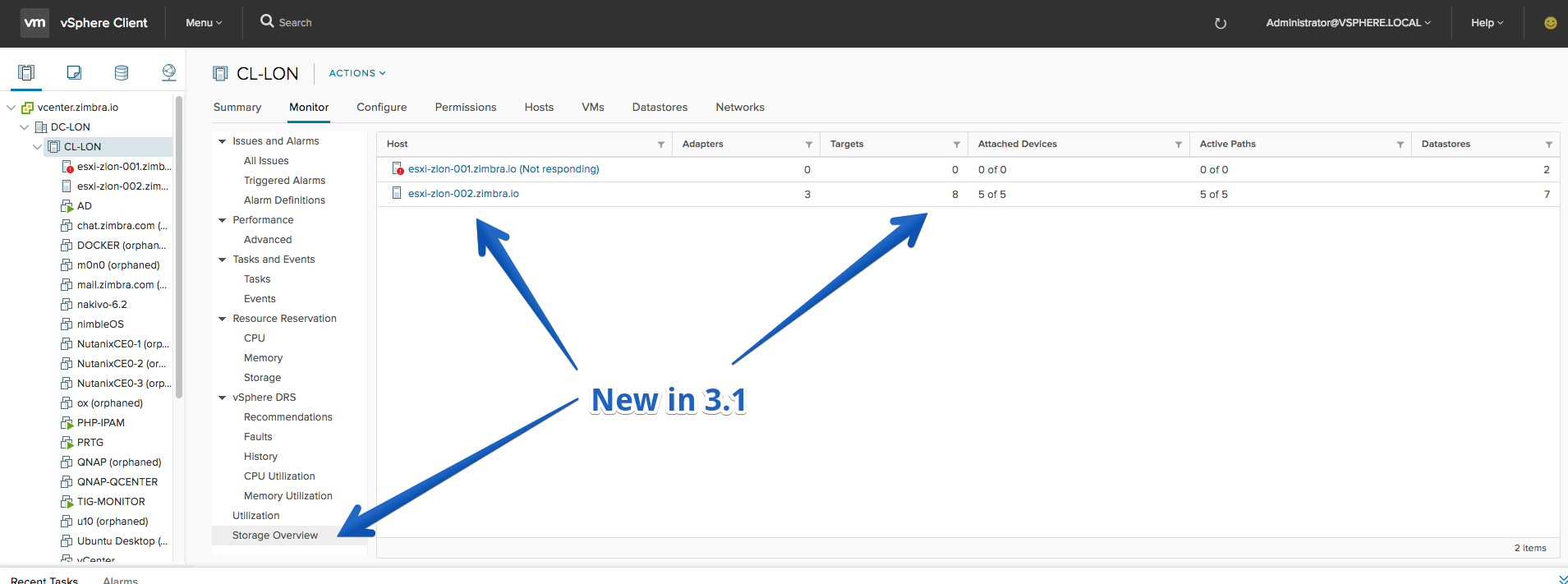
- Cluster > Monitor > Storage Overview (only in vSphere Client). It gives the aggregated storage overview of the hosts in a cluster. There it is easy to find if a host deviates from the standard configuration for that cluster.
- Host Cache Configuration read-only view

- Storage DRS runtime and advanced settings can be configured

- Drag and drop a VM to datacenter
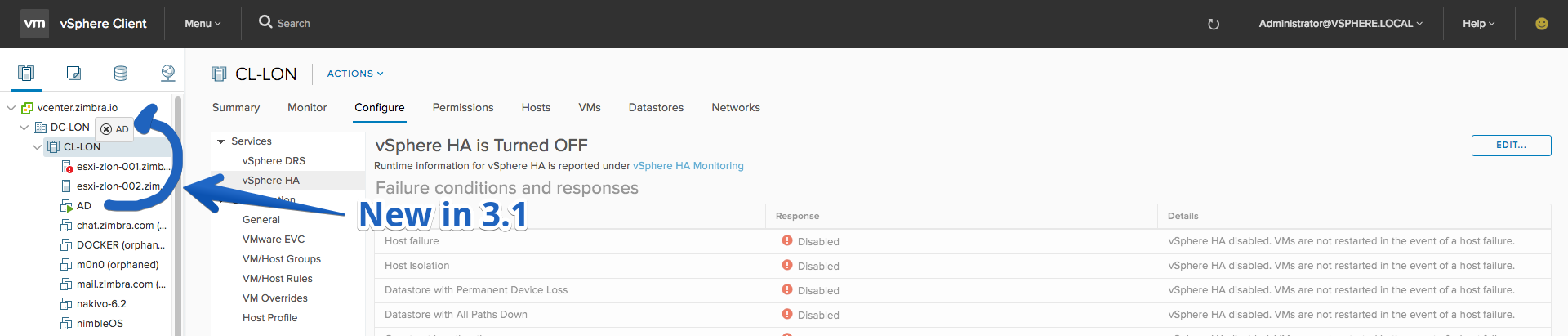
- Drag and drop a VM template to VM folder or datacenter
- Drag and drop of a VM/template works from a list in the central workspace to the inventory tree
- Delete global Tags and Categories
Improvements
- Mount/Unmount action on VMFS > Configure > Connectivity and Multipathing page

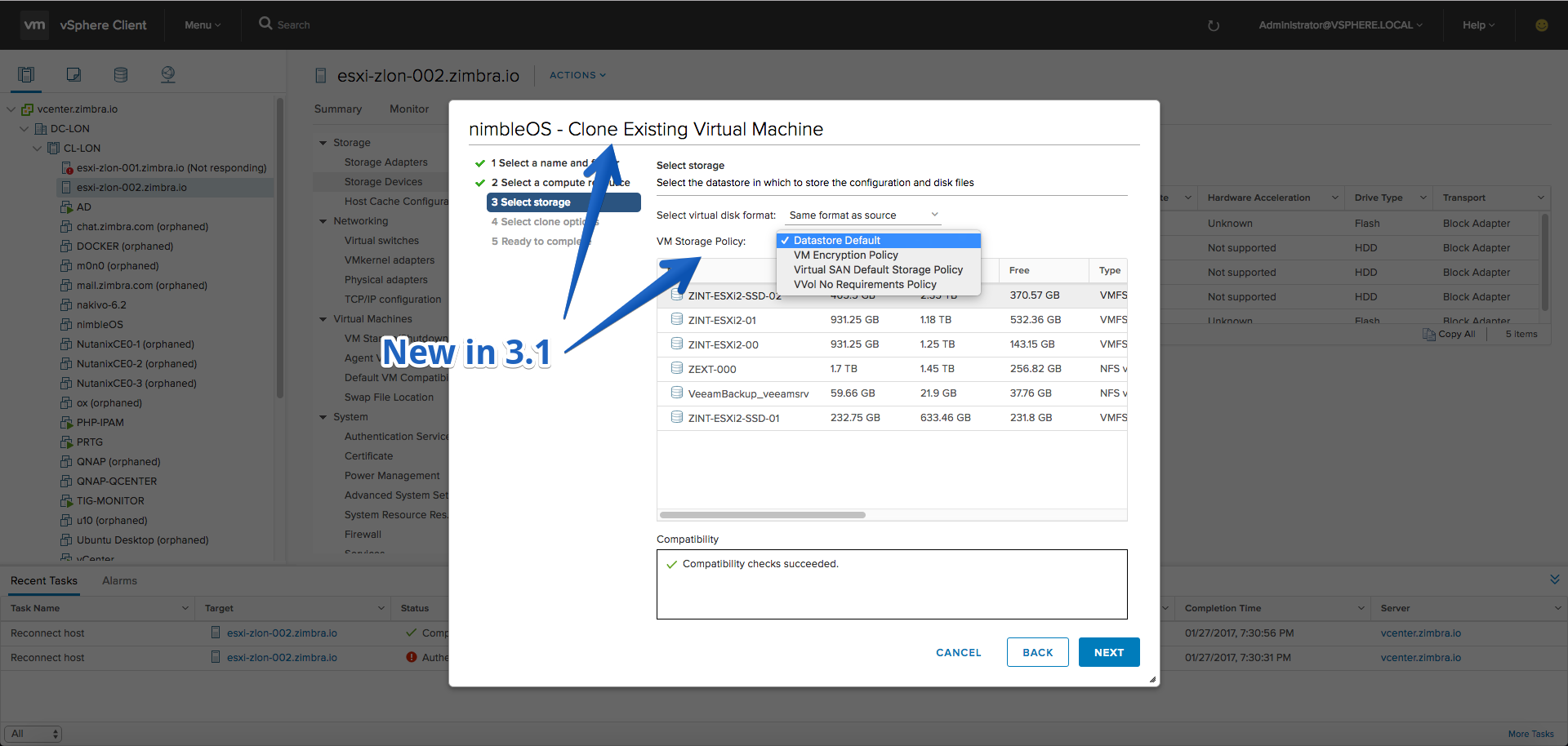
- The New VM wizard provides an additional option to clone an existing VM

- Can assign custom storage policy when cloning VM
- Delete SCSI controller from VM if it is not in use by any devices
Fling 3.0 – Build 4906185
New Features
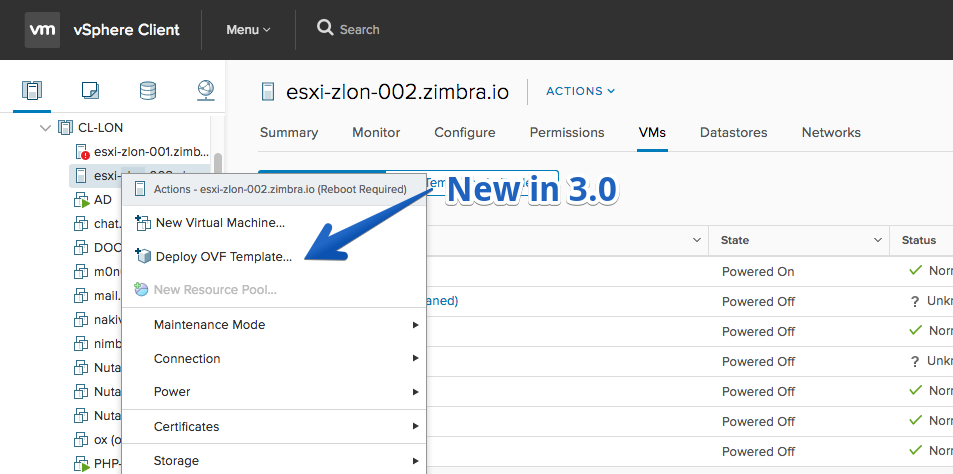
- Deploy VM from OVF template (Basic) – Deploy VM on a Host using OVF template URL for a vCenter 6.5 only
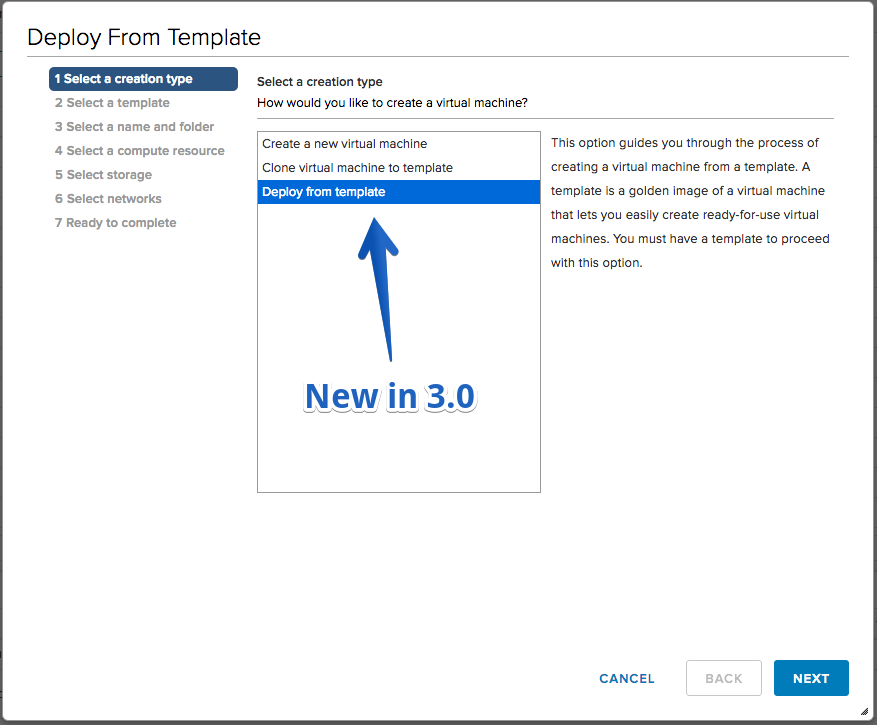
- Deploy VM from template in content library (Basic) – Deploy a VM from a template in content library. There is a change to invoke this workflow, Right click on Host (or cluster or folder) and select “New Virtual Machine…”, then select “Deploy from Template”. This works against vCenter 6.0 and 6.5
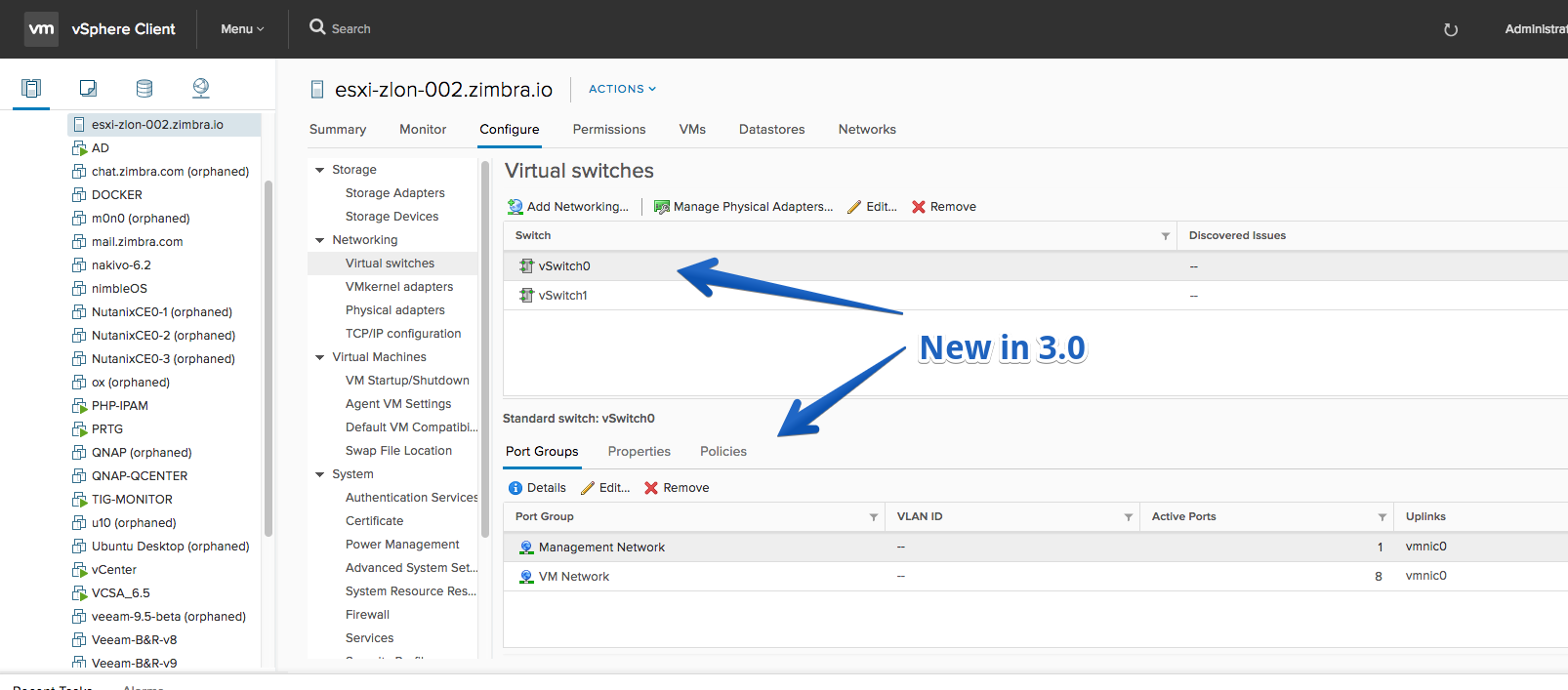
- Edit Settings of a Standard Switch
- Edit IPv4 settings for Hardware iSCSI
- Drag and drop a VM to VM folder in the ‘VMs and Templates’ inventory tree
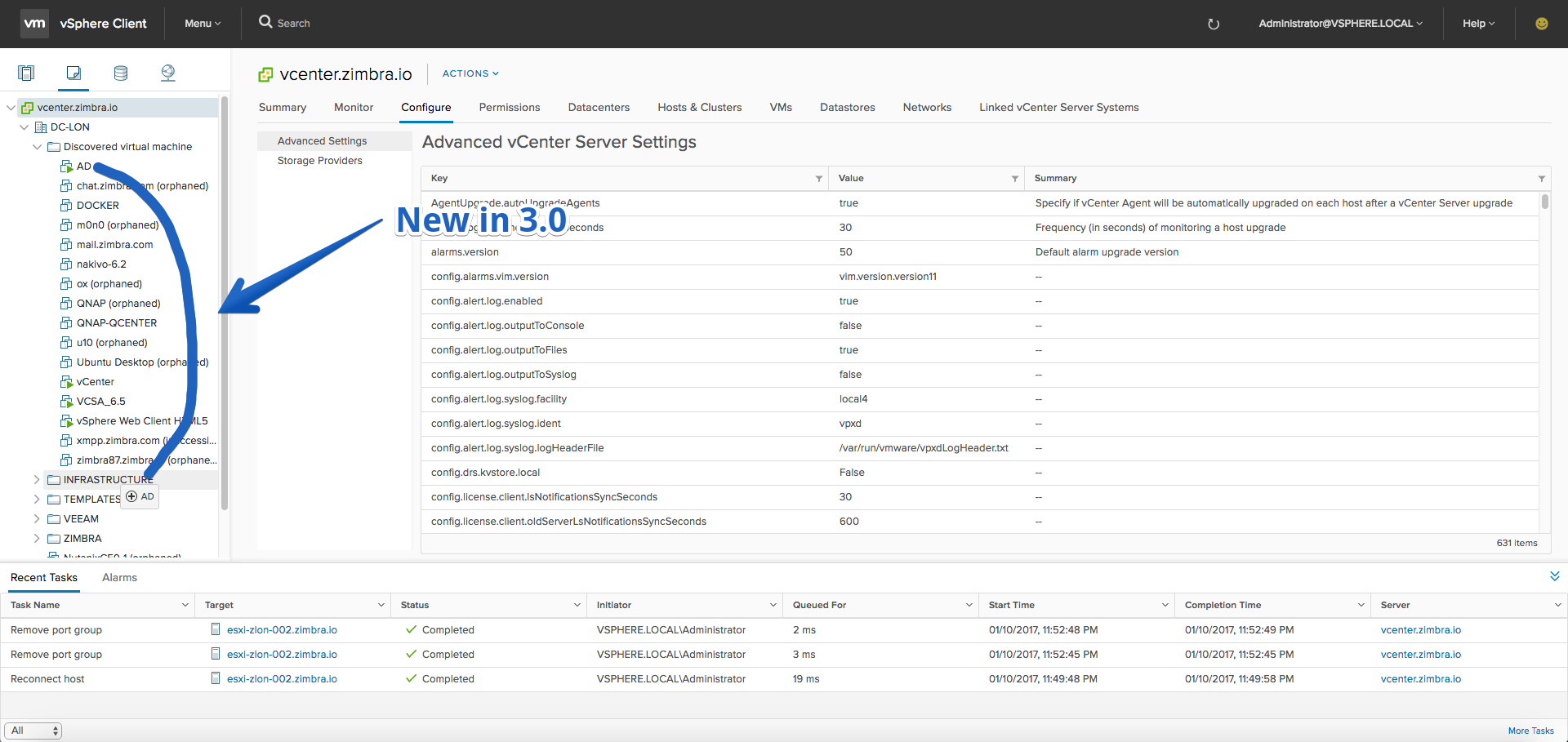
Improvements
- Reserve all guest memory in VM edit settings
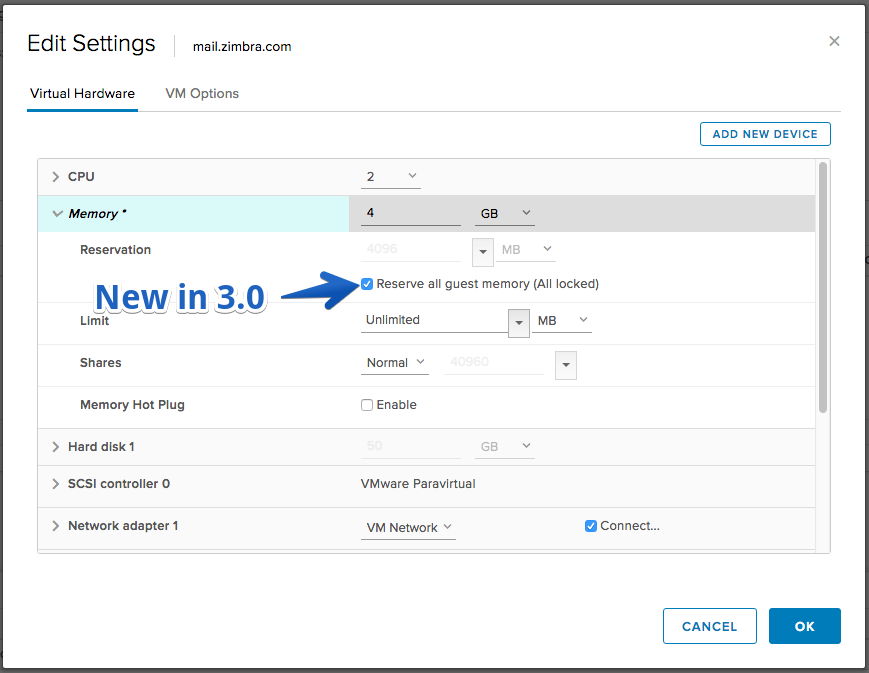
- Roles can be created with editable role name
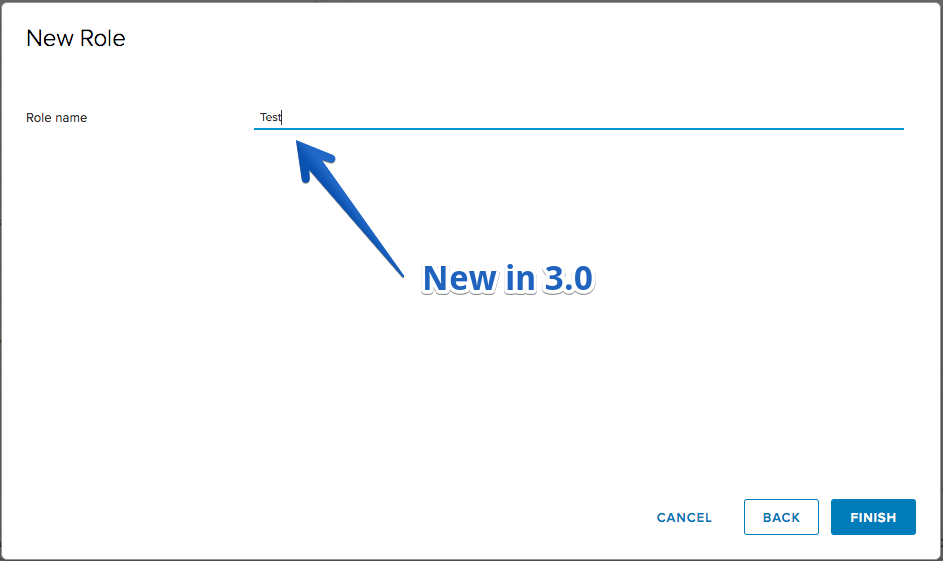
Nota: Si no os aparecen las nuevas opciones de despliegue de OVF hacer lo siguiente:
mkdir /etc/vmware/vsphere-client/vsphere-ui/
vi /etc/vmware/vsphere-client/vsphere-ui/uiFeatures.cfg
h5uiOVFDeploy = enabled
h5uiContentLibrary = enabled
h5uiVmLibraryActionAddFlag = enabled
Y luego reiniciar
/etc/init.d/vsphere-client restartFling 2.20 – Build 4875797
New Features
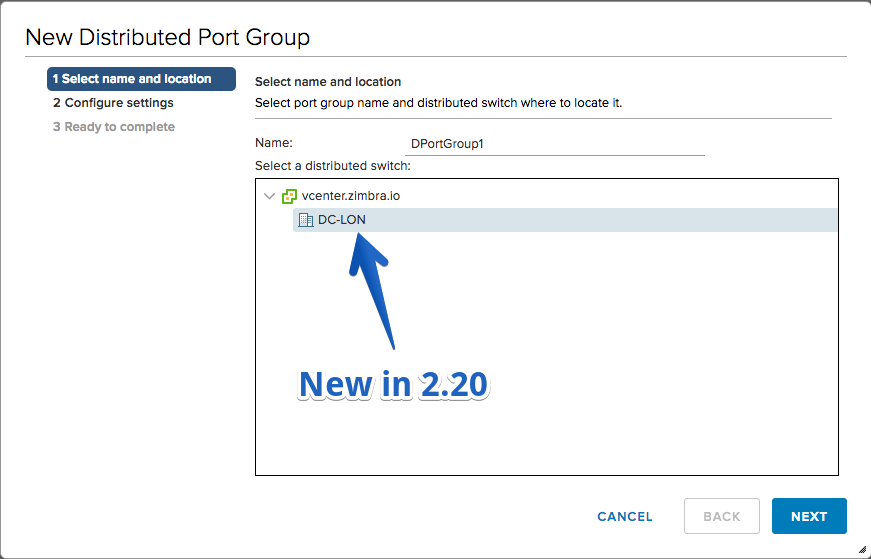
- ‘New Distributed Port Group’ wizard
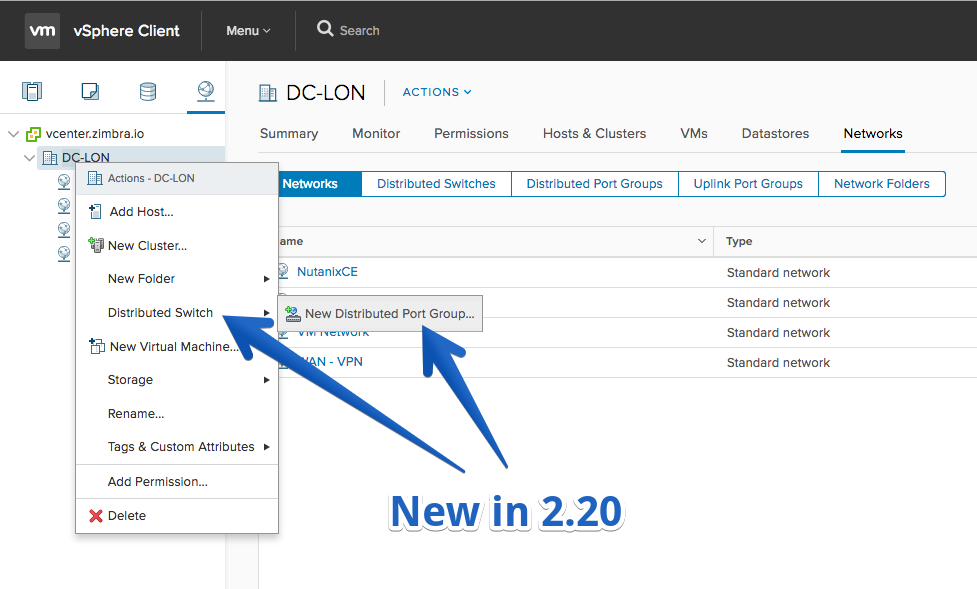
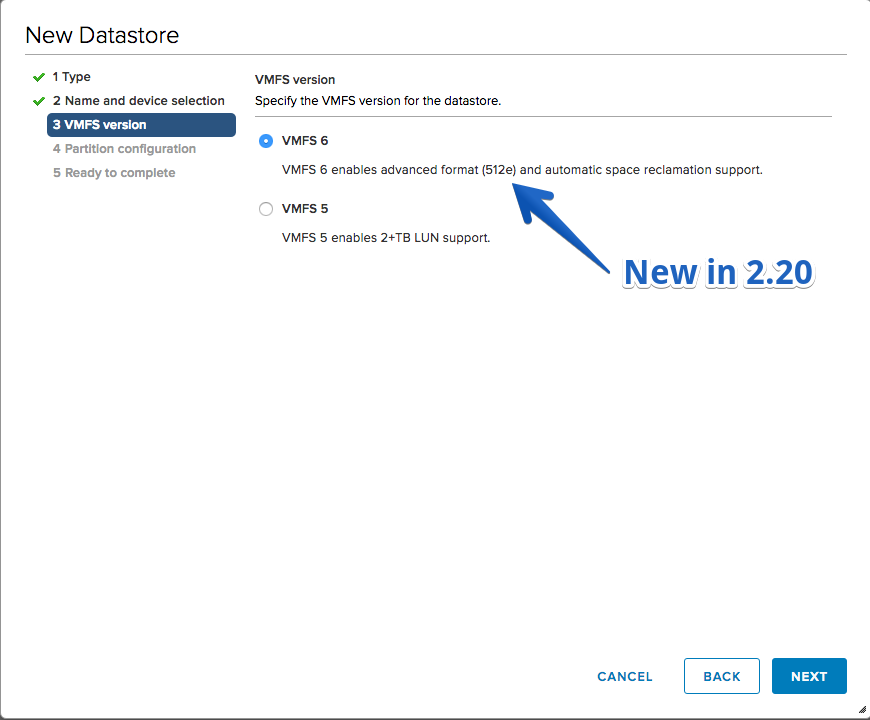
- Support for VMFS6 datastore creation through New Datastore wizard
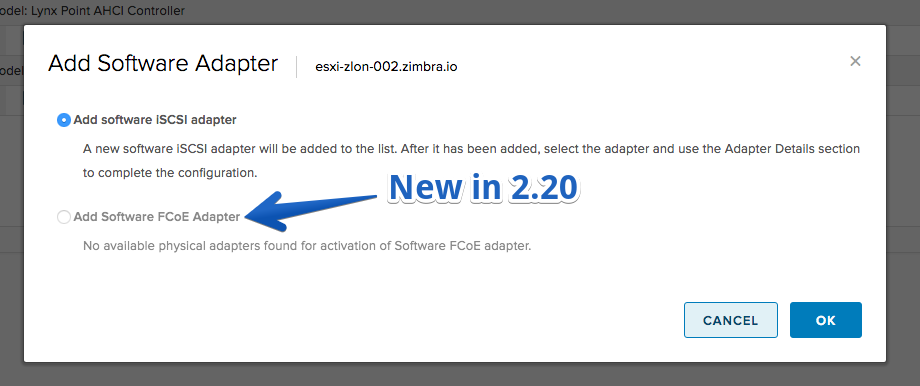
- Support for adding Software FCoE adapter
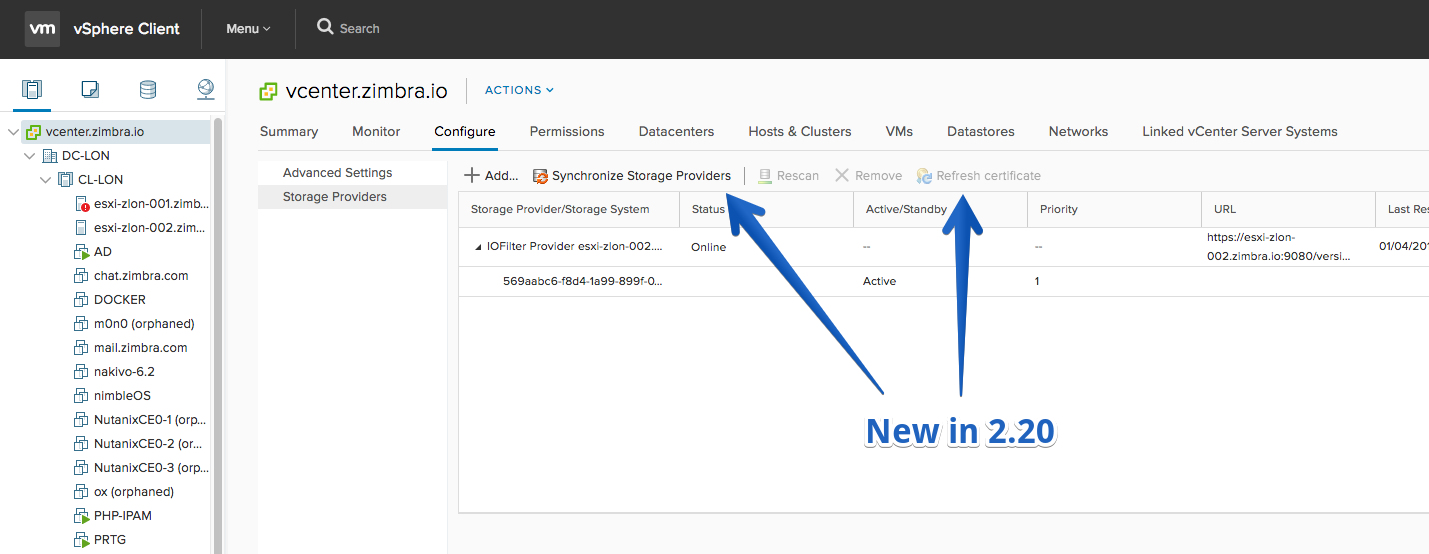
- Rescan/Unregister Storage Provider action
- Refresh Storage Provider’s certificate action
- Network Settings for Hardware iSCSI adapter
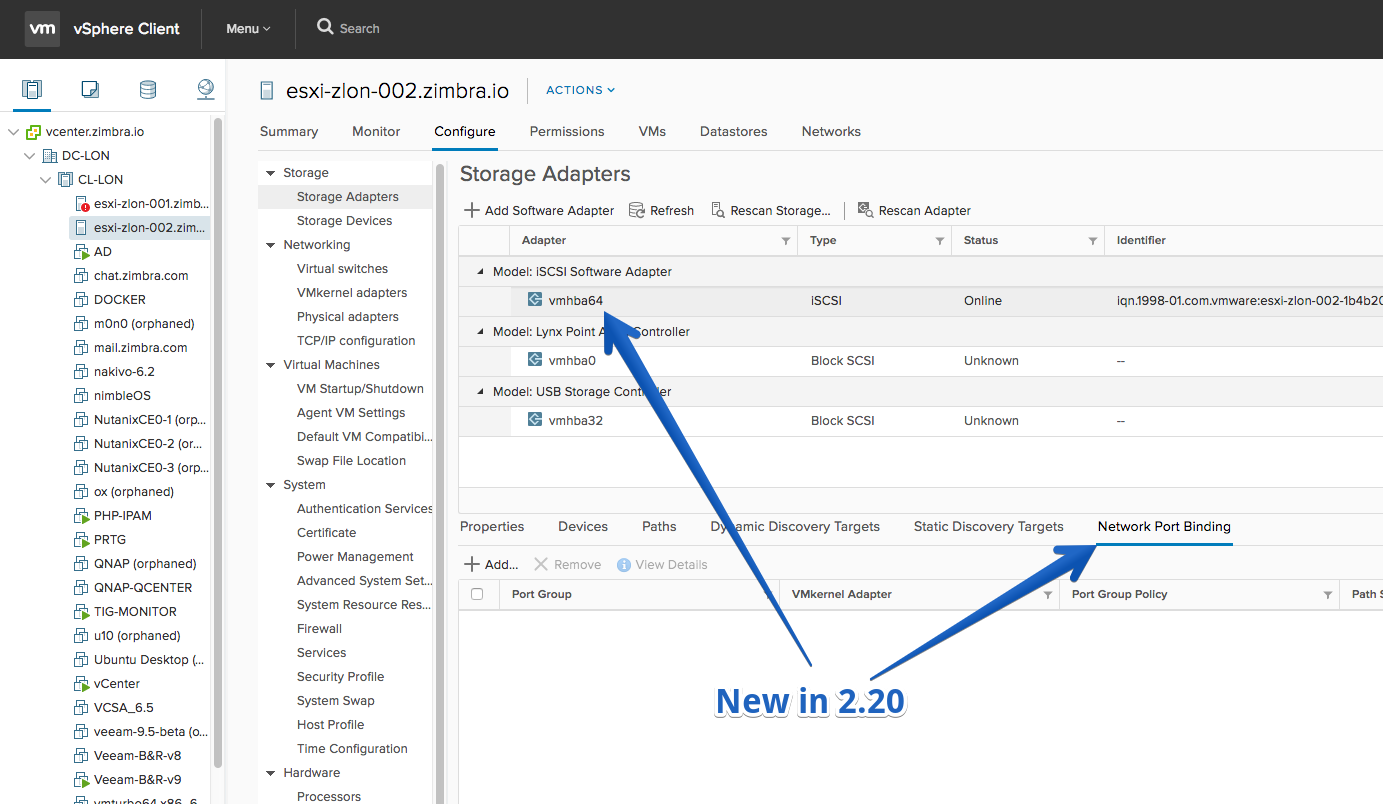
- Create new global role (takes a default role name)
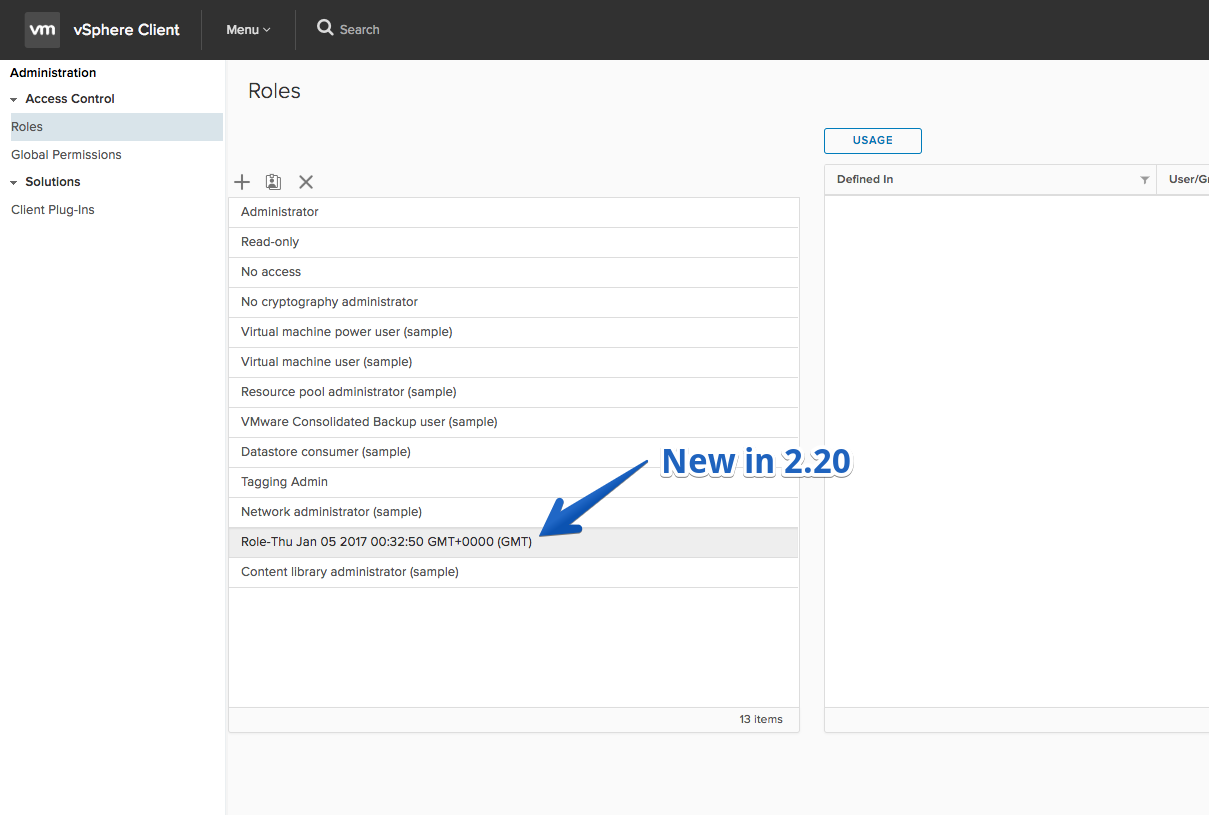
Improvements
- Storage Devices’ lists now contain Datastore column showing the Datastore which consumes the device (available only in the new vSphere Client)
Fling 2.19 – Build 4810256
New Features
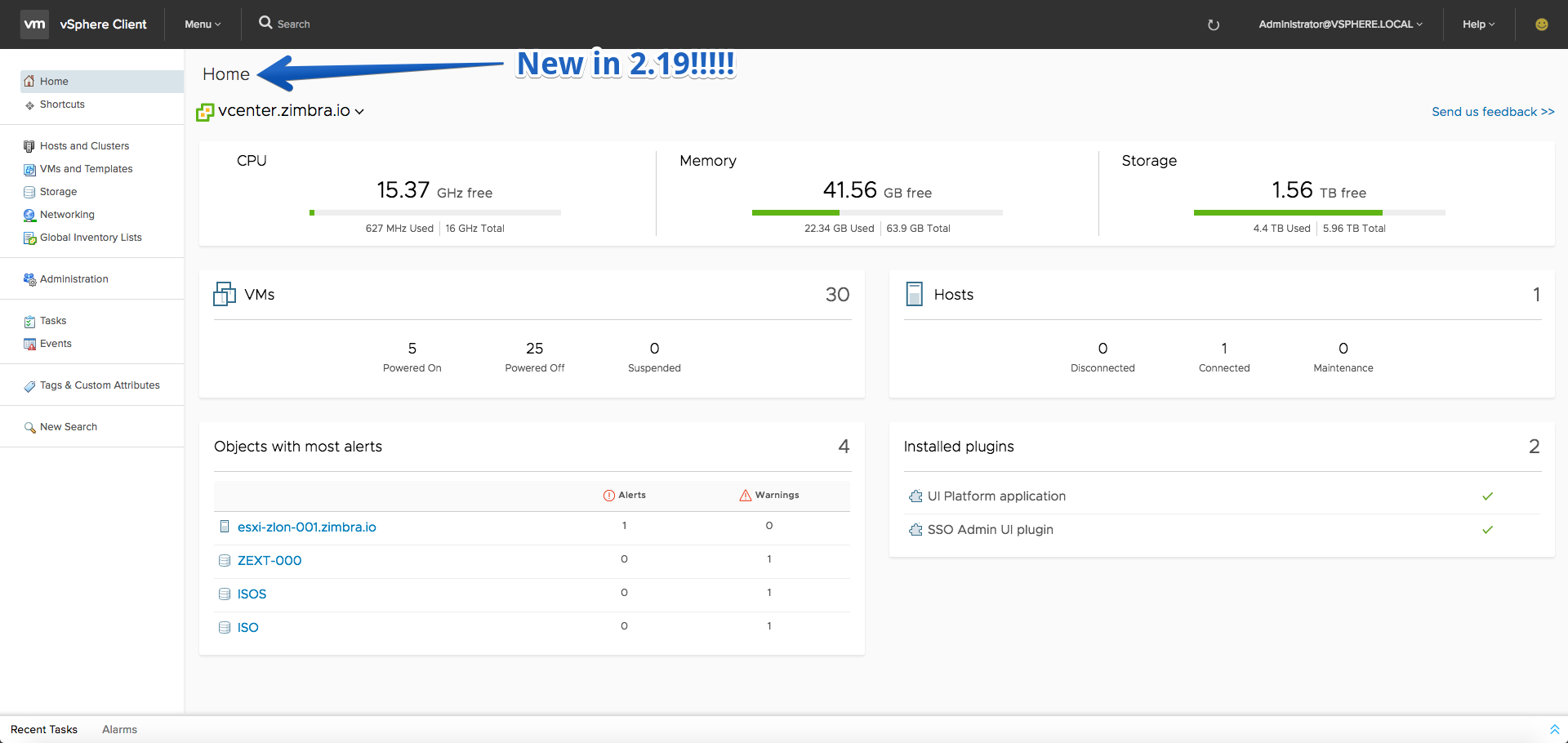
- New Dashboard style page! Now, navigation to the “Home Menu -> Home” page launches an experimental dashboard feature with some common administrative metrics. At a glance, a user can get high level statistics about vCenter capacity resources, top alerts, and more. This offering presents quick and informative statistics in an easy to use visual format. NOTE: As this is an experimental feature, live refresh of the data is not enabled, you can refresh the data in the dashboard by clicking on the global refresh icon inside the vSphere Client (HTML5) application. Also, the old Home screen is now moved to “Home Menu -> Shortcuts” in case you still need it. If you have feedback for us regarding the new dashboard (like, dislike, improvement requests, want the old Home brought back), please submit using the Feedback tool with “DASHBOARD:” in the text area. Note, that due to some quirks right now with the Feedback tool, taking a screenshot on this view will only show the Dashboard central area and not the lefthand side or tasks. This is expected.
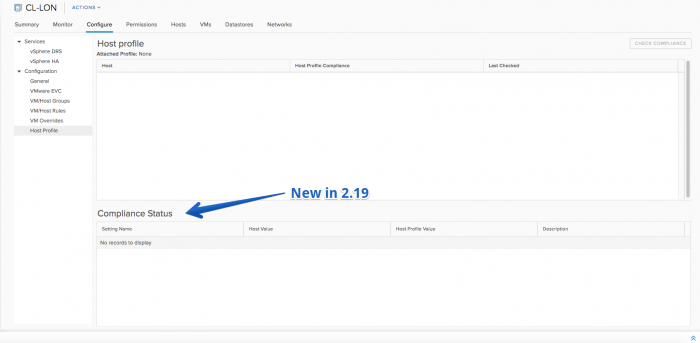
- Host profile compliance data can be seen for hosts and clusters.
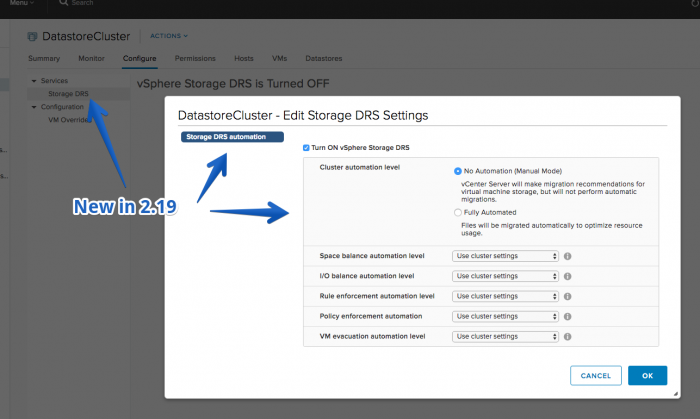
- SDRS automation settings can be configured.
- Edit settings of a Distributed Switch
- New Storage Provider action
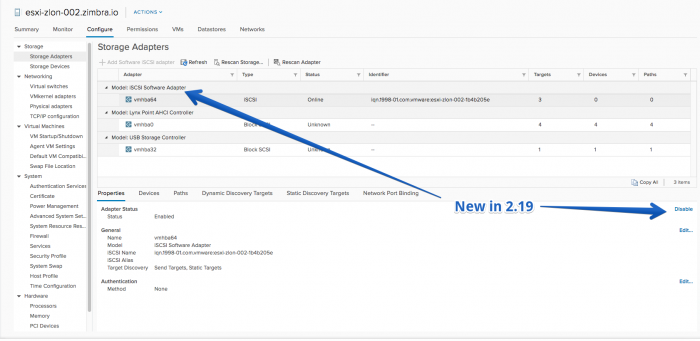
- Disable Software iSCSI/FCoE adapter action
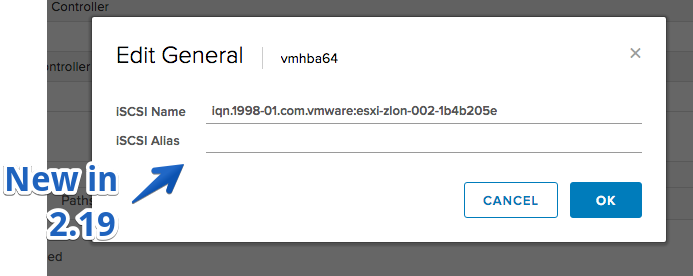
- Edit iSCSI name and alias action
- Edit the Space Reclamation configuration action
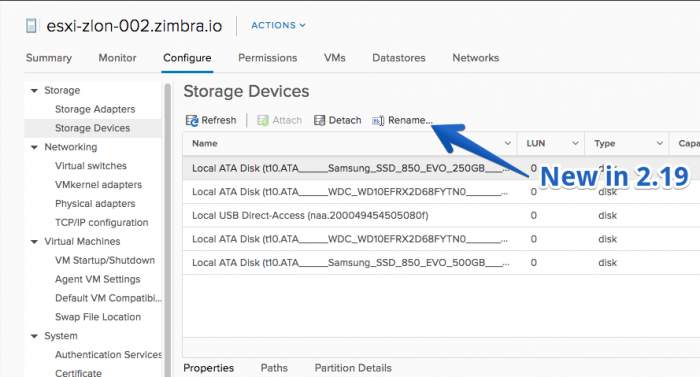
- Rename Storage Device action
Improvements
- Added VLAN ID, VMs, and a few other columns to the Distributed Port Groups list
- List multiple VMs in the ‘Power On Failures’ dialog
- When you create or clone a VM/template on a datastore cluster and you open the ‘Datastore Recommendations’ dialog on ‘Ready to complete’ page, your last selection is preserved
- The Memory reservation values on ‘Customize hardware’ page are preserved, when navigating back and forth in the VM provisioning wizards
Fling 2.18 – Build 4781476
New Features
- Space Reclamation read-only configuration for VMFS6 datastores
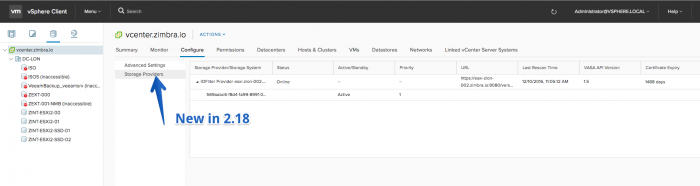
- Storage Providers view on VC level with all the details for Storage Providers and Storage System
- Host profile customizations can be edited
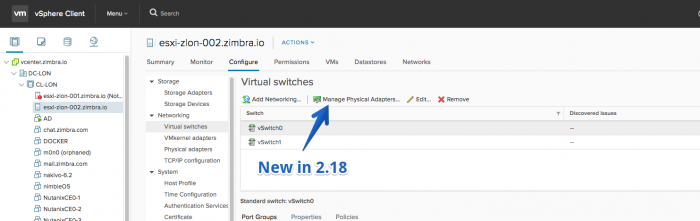
- Manage physical network adapters of a standard switch
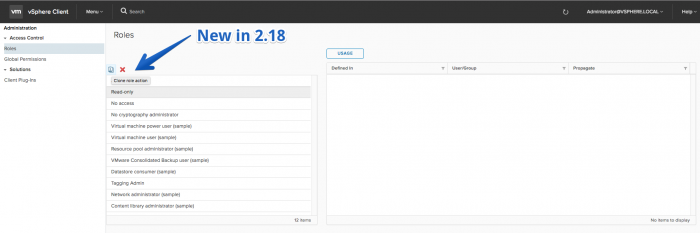
- Roles – You can view all the roles (with usage data), clone the role, delete role
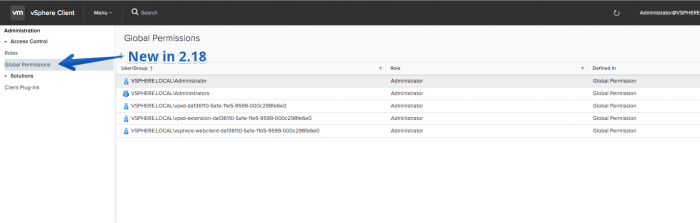
- Permissions – You can view all the global permission, add a global permission
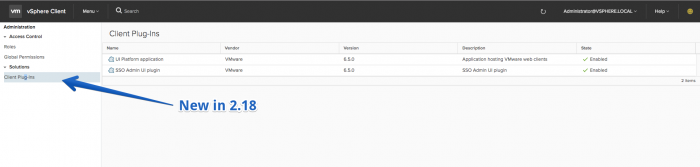
- Plugins – You can view list of plugins (read only) installed on your vSphere Client
Improvements
- Delete multiple distributed port groups
- When you create or clone a VM/template on a datastore cluster, you can view faults generated by SDRS for the corresponding hard disks on ‘Ready to complete’ page
- When you create or clone a VM/template, you can view the full hard disk details on ‘Ready to complete’ page
- Unify the look and feel of VM power operations dialogs
Fling 2.17 – Build 4743245
New Features
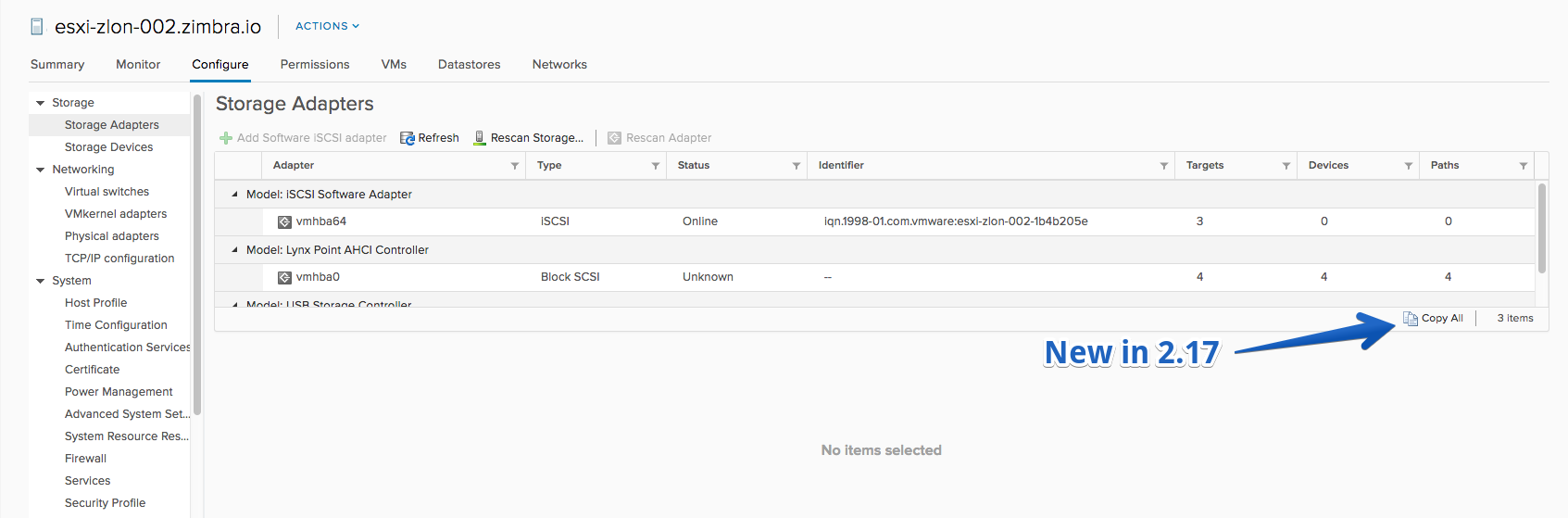
- Copy grid content for Storage Adapters, Storage Devices and Storage Paths
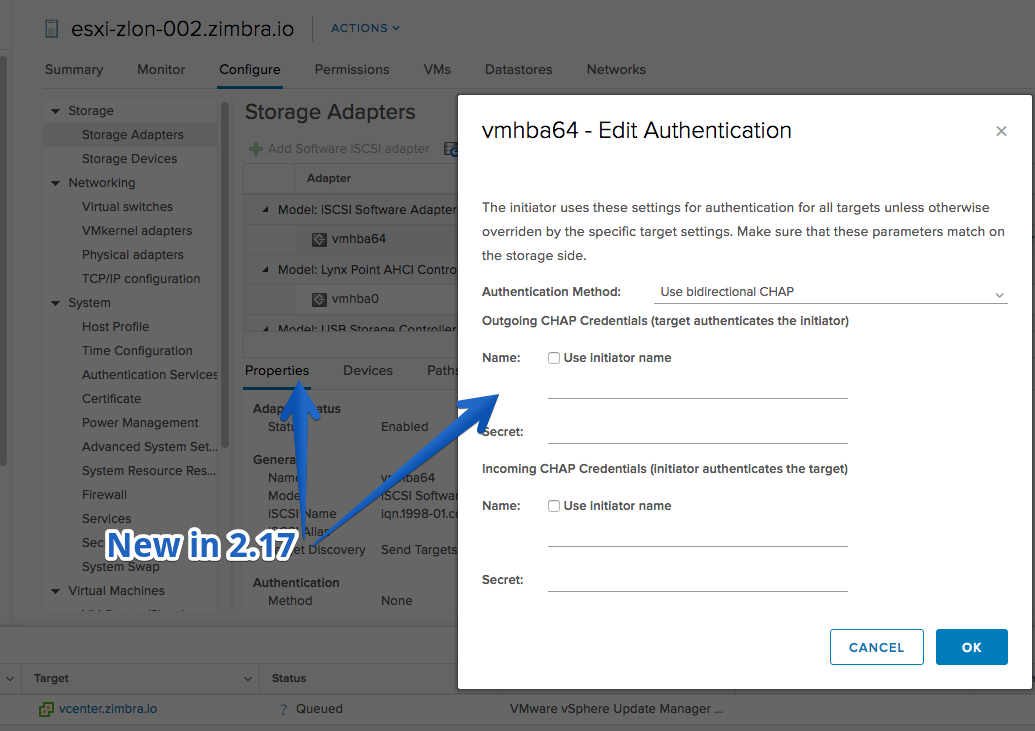
- Override CHAP configuration for Dynamic/Static Discovery Targets
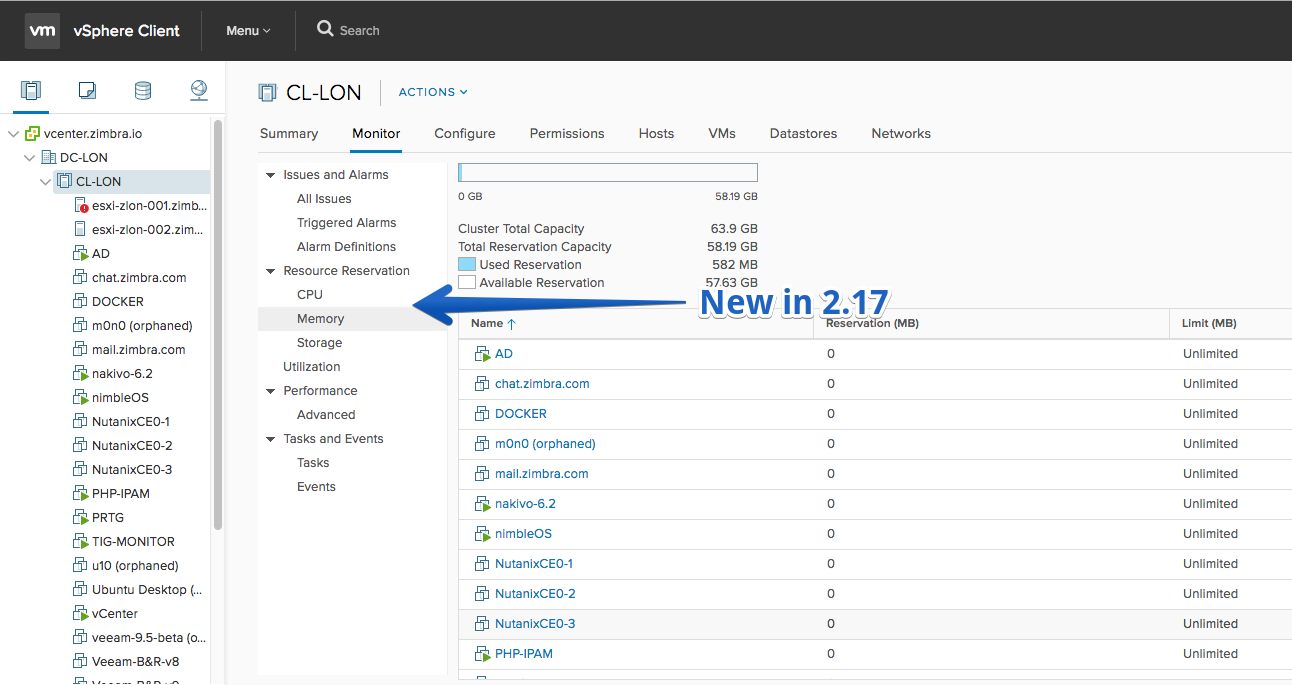
- Utilization and resource reservation monitoring views for clusters and hosts.
- Storage DRS overall configuration can be seen.
Improvements
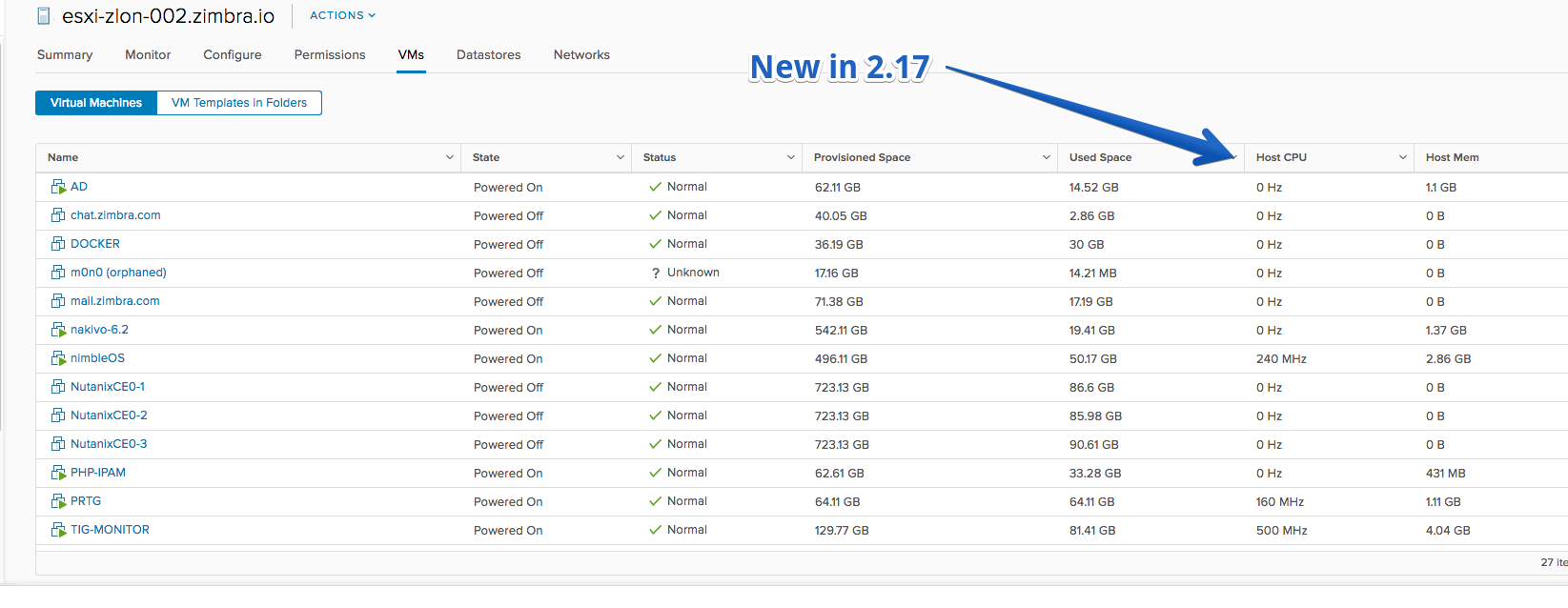
- Sort ‘Host CPU’, ‘Host Memory’ and ‘Guest Memory – %’ columns in the VM lists on host, cluster and resource pool level
- Provide custom Guest OS name in New VM wizard (Other Guest OS family > Other version)
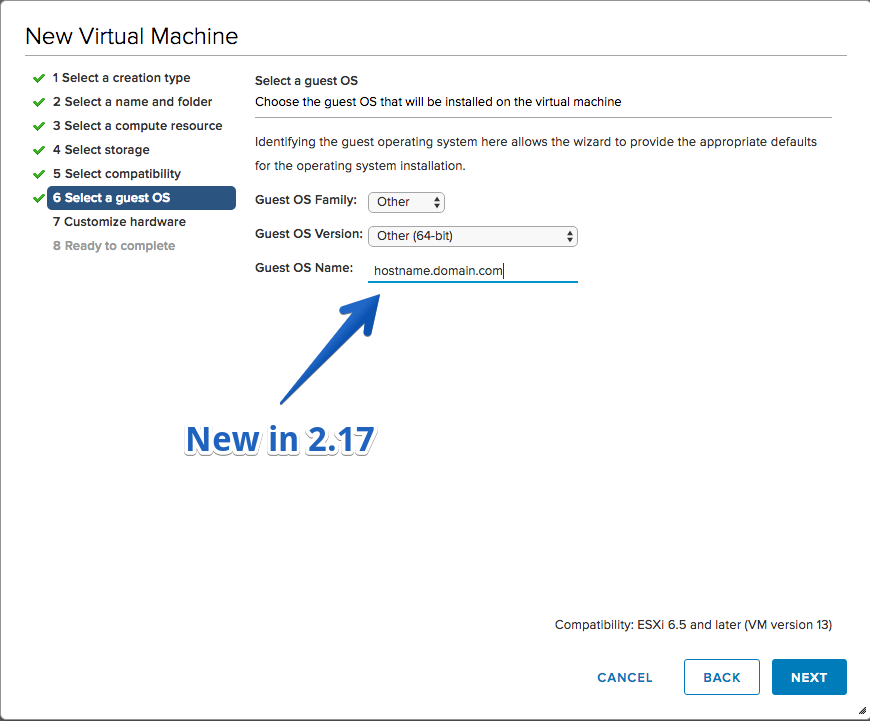
- Improvements when navigating back and forth in the VM provisioning wizards and changing existing selections
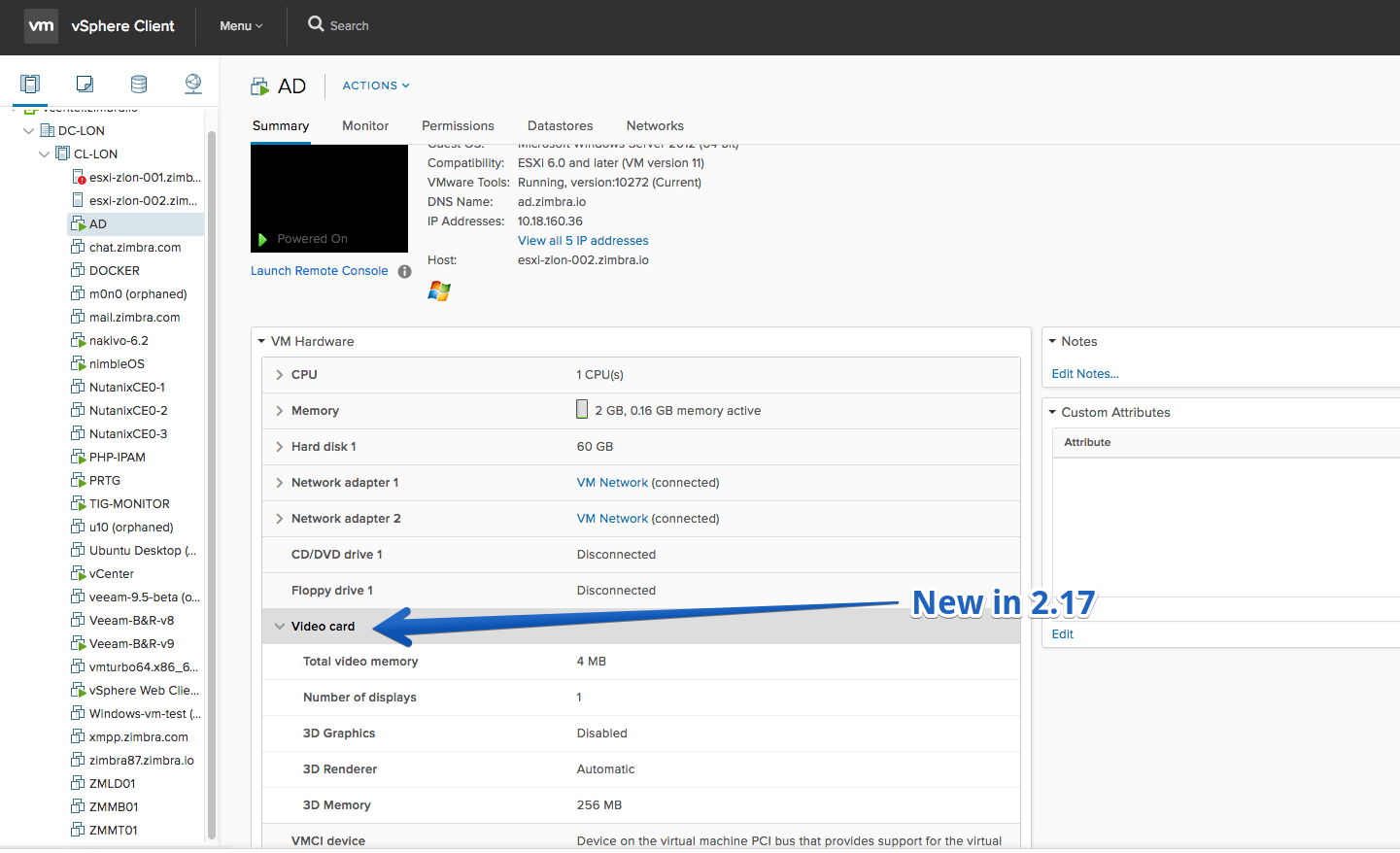
- Additional video card information is displayed in the VM summary portlet
Fling 2.16 – Build 4721081
New Features
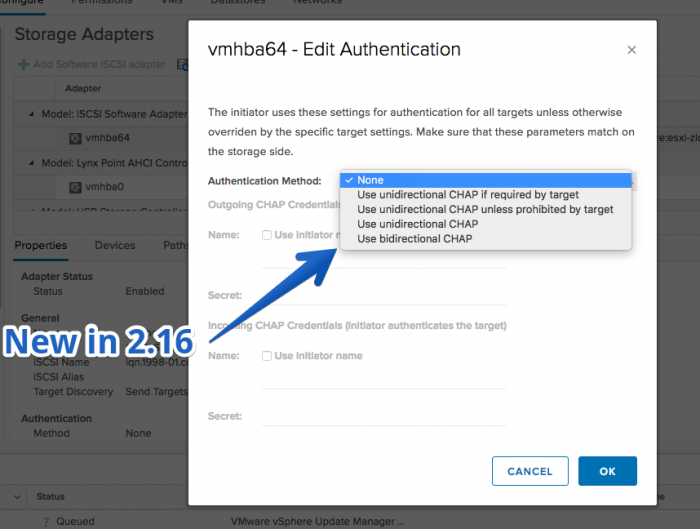
- Configuring CHAP Parameters for iSCSI Adapters
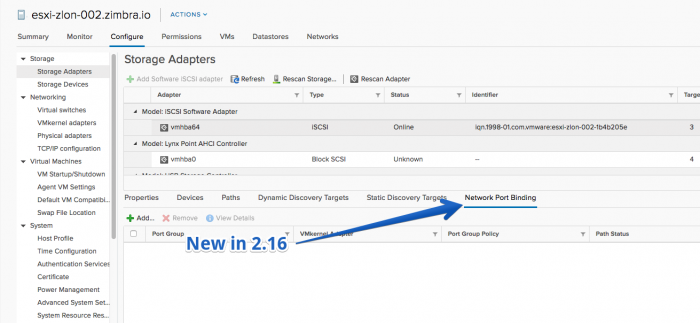
- Network details for Software iSCSI port bindings
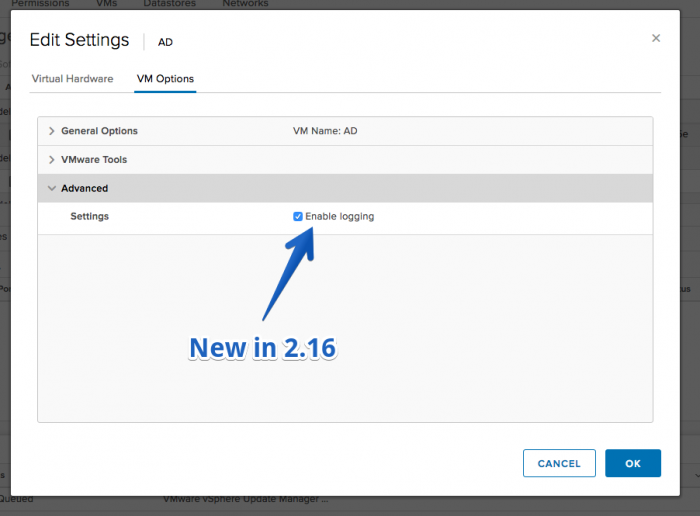
- Enable/disable logging for VMs in the edit settings
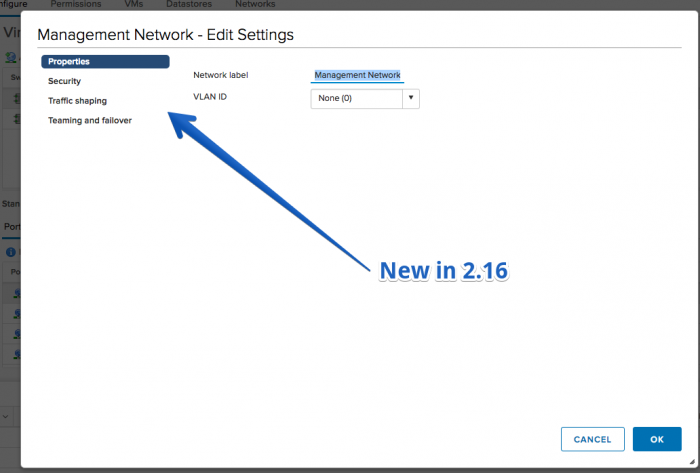
- Edit properties and policies of Standard Port Groups
- View the properties of a Distributed Switch
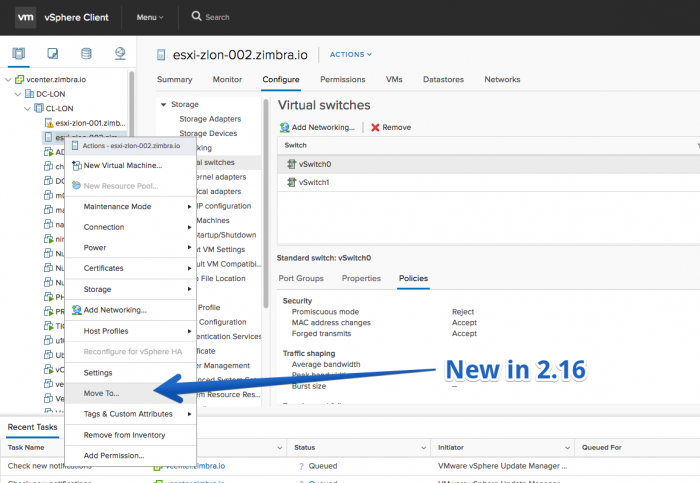
- Hosts can be moved in the inventory (including drag and drop).
- Delete multiple VMs from disk
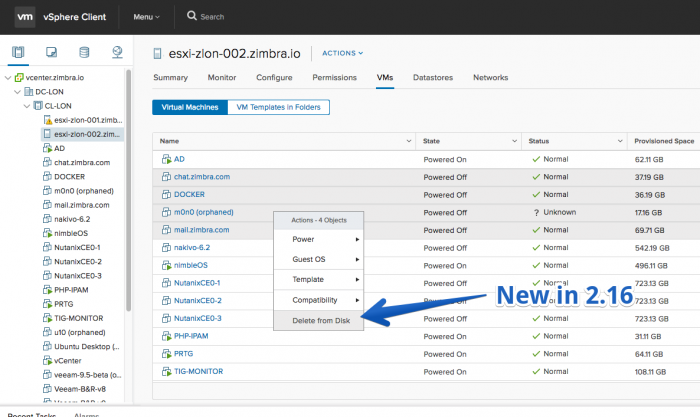
- Delete single and multiple VM templates from disk
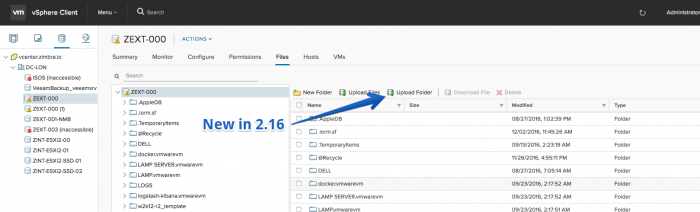
- Upload Folder to datastore action for File Browser (Available only for Chrome, Edge and Firefox 50 and above)
Improvements
- New Switch Details and Features portlets on the Summary page of a Distributed Switch
- View and edit notes on the Summary page of a Distributed Port Group
- Resized VM provisioning wizards to accommodate more content
- The storage policy selection is preserved when going back and forth in the VM provisioning wizards
- More informative compatibility messages for incompatible datastores in VM provisioning wizards
- Multi-files selection when uploading files to a datastore
Fling 2.15 – Build 4685753
New Features
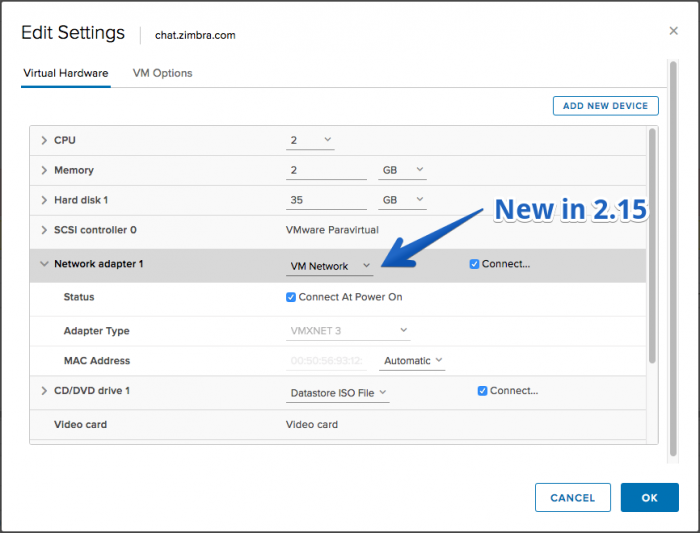
- Users can edit the network type for a new network adapter in VM edit settings
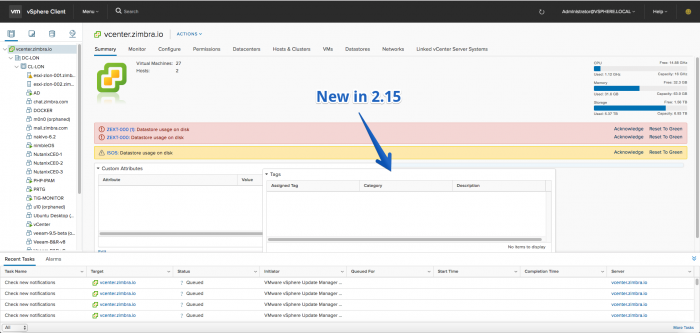
- Portlets in the summary page can be dragged and dropped
- Upgrade to VMFS5 file system action
- Partition Layout chart in Create datastore and Increase datastore capacity workflows
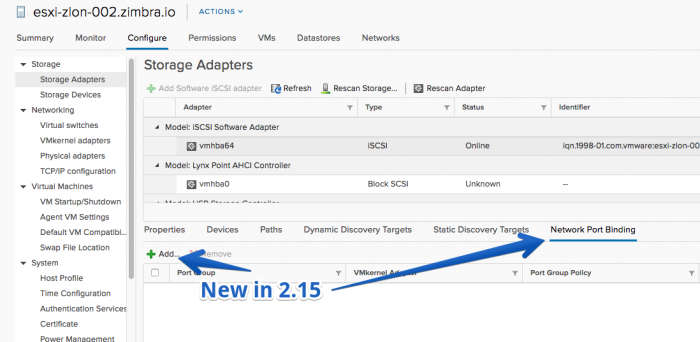
- Network Port Binding view for Software iSCSI adapter
- Add/Remove network port binding to Software iSCSI adapter
Improvements
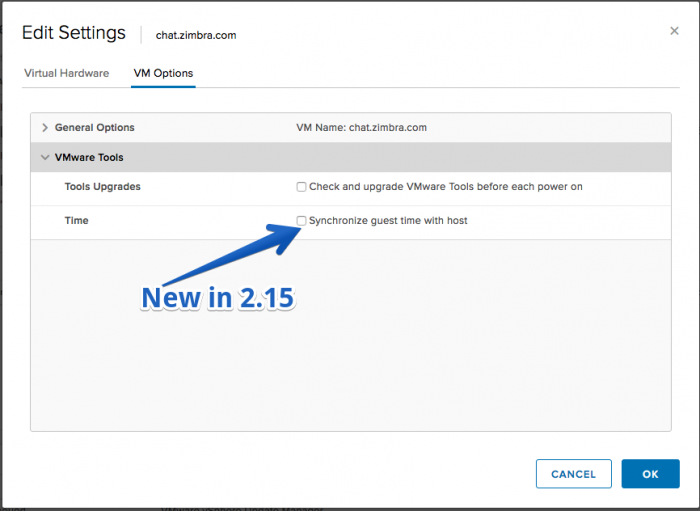
- Users can synchronize the guest time with the host time in the VM edit settings
- Can provision new VM/template on an incompatible storage (storage that doesn’t match the current VM policy).
- Can change the disk format successfully when cloning a VM/template.
Fling 2.14 – Build 4655617
New Features
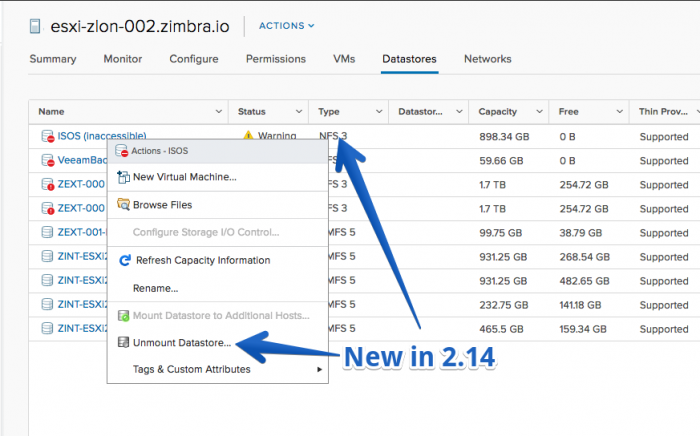
- Mount/Unmount NFS datastore
- Edit properties and policies of Distributed Port Groups
- Add physical network adapters to Standard and Distributed Switch
- View properties and policies of Standard Switch
Improvements
- The VM memory and disk size values are preserved when going back and forth in the New VM wizard
- Added all validations for the VM/template name in the New/Deploy/Clone wizards. Now an error appears when the provided name is too long or already in use.
- Power state validations in VM edit settings dialog
Fling 2.13 – Build 4616630
New Features
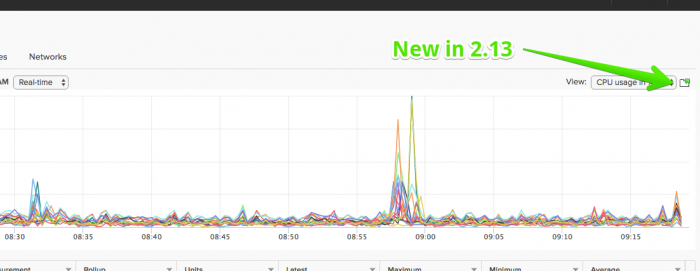
- Performance charts can be popped out in a new browser window.
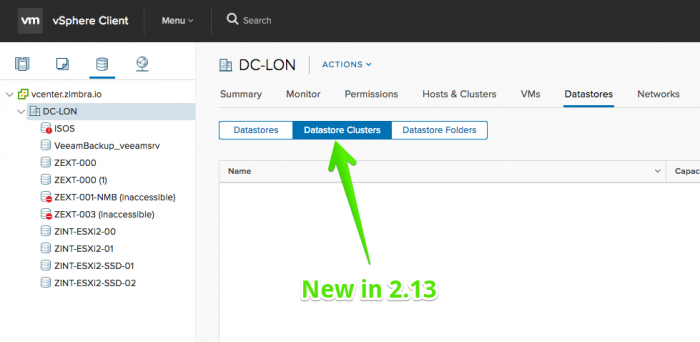
- Datastore clusters can be created and deleted.
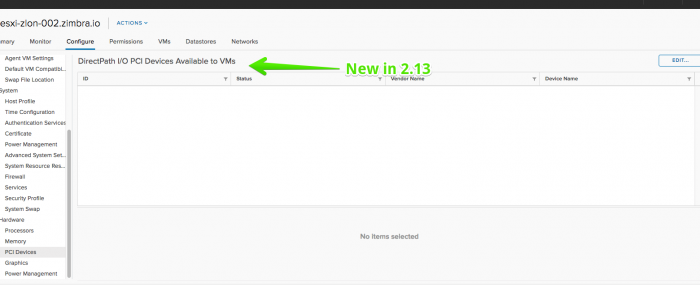
- ESXi PCI devices can be enabled for passthrough
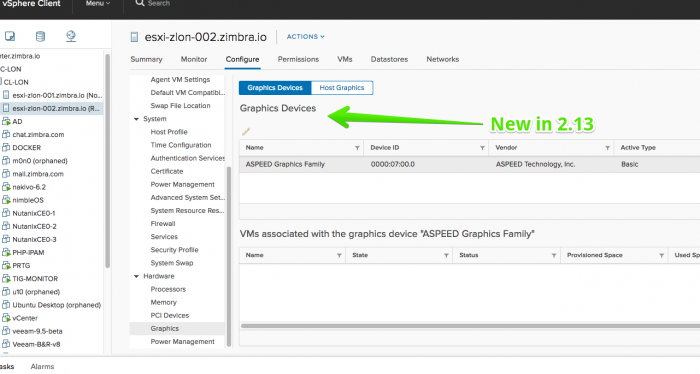
- ESXi usage of GPUs by VMs can be seen.
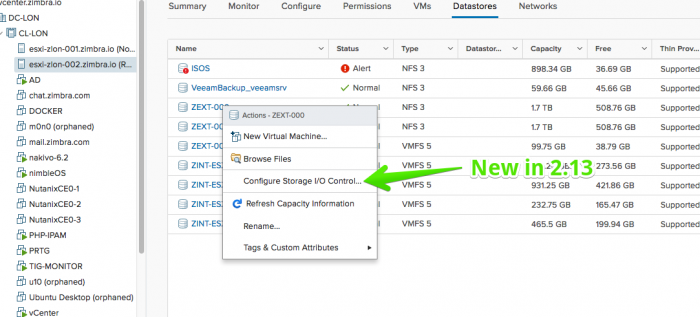
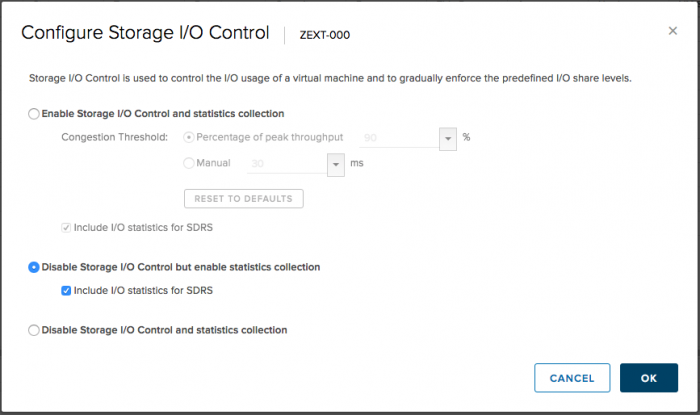
- Configure Storage I/O Control
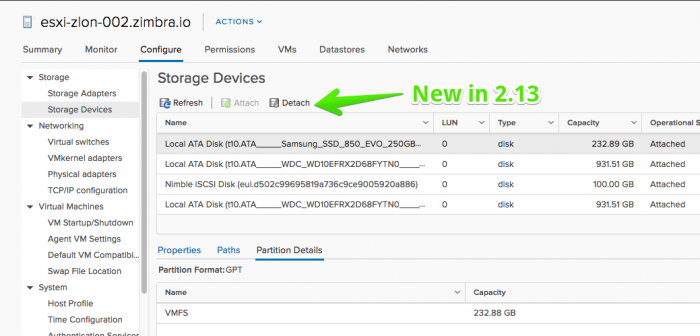
- Attach/Detach devices from Host Storage Devices page
Improvements
- Datastore Files browser is a top-level tab
- Edit Multipathing is available on VMFS Datastore > Connectivity and Multipathing page
- Disconnected VMs cannot be edited
- User can pick a different storage from the edit settings for new harddisks
Fling 2.12 – Build 4587215
New Features
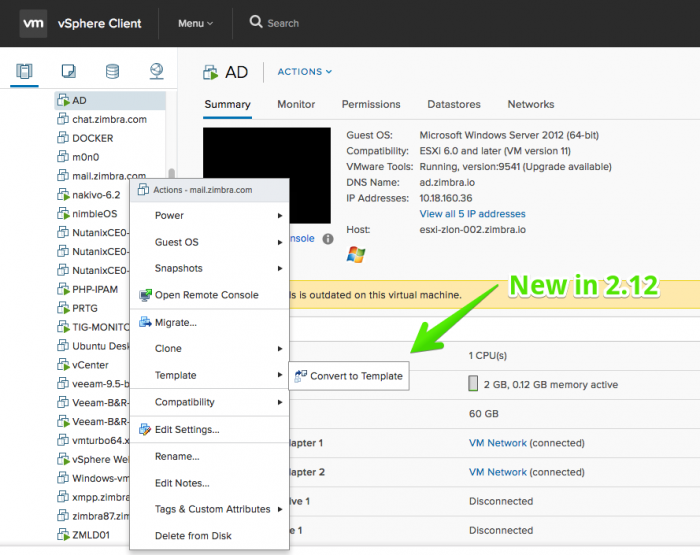
- Convert virtual machine(s) to template
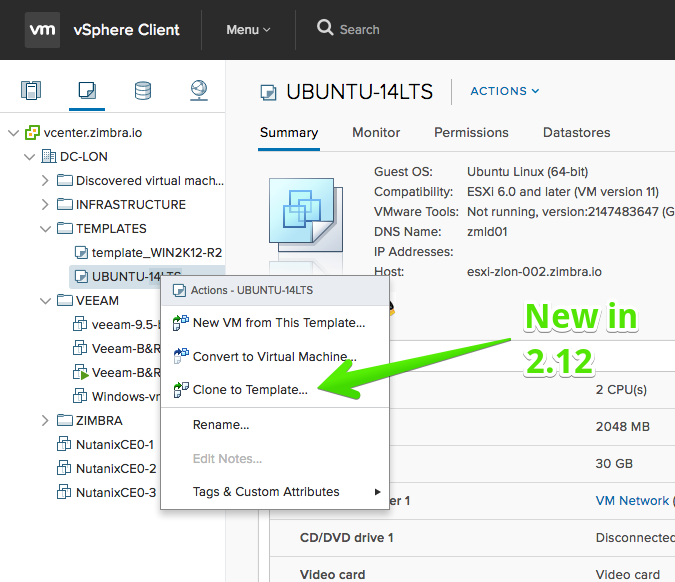
- Clone template to template
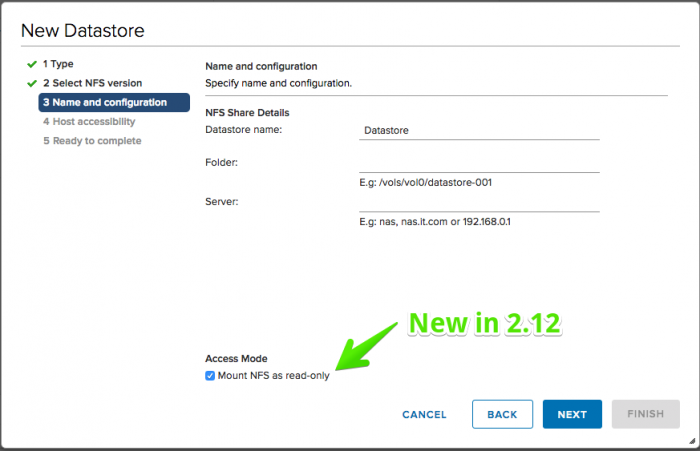
- Creation of Read-only NFS3 / NFS4.1 datastores
- MEdit Multipathing Policies for Host Storage Devices
Improvements
- Drag and drop virtual machine to a host that has the same datastore and network
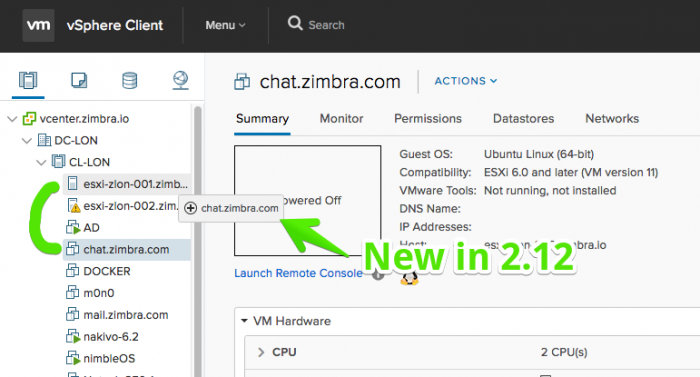
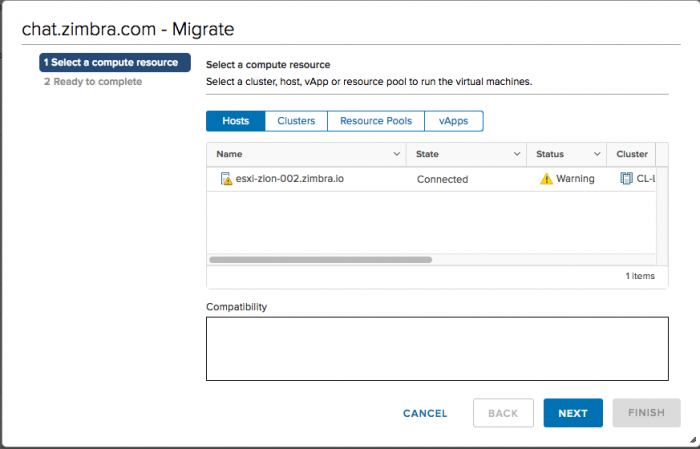
- Launch New Virtual Machine wizard from vApp
- Show active filters in the header of grid columns
- Navigating back in a wizard and changing existing selection invalidates next wizard pages
- Device type is now available under VMFS Datastore > Configure > Device Backing
Fling 2.11 – Build 4553575
New Features
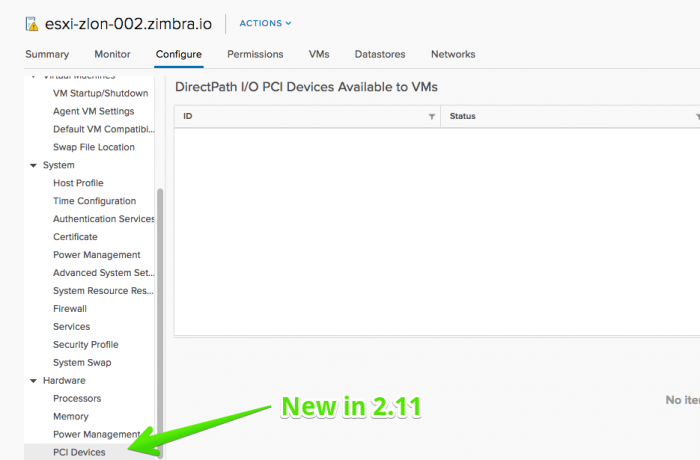
- Host PCI devices available passthrough to VMs and their details are listed.
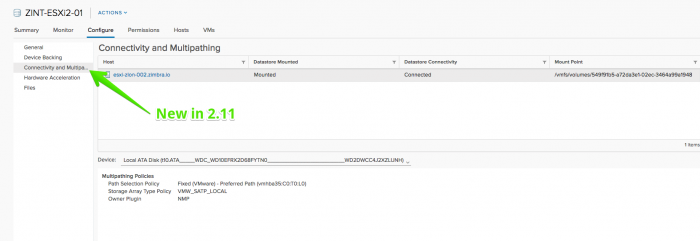
- Multipathing Device Details for host (VMFS > Configure > Connectivity and Multipathing)
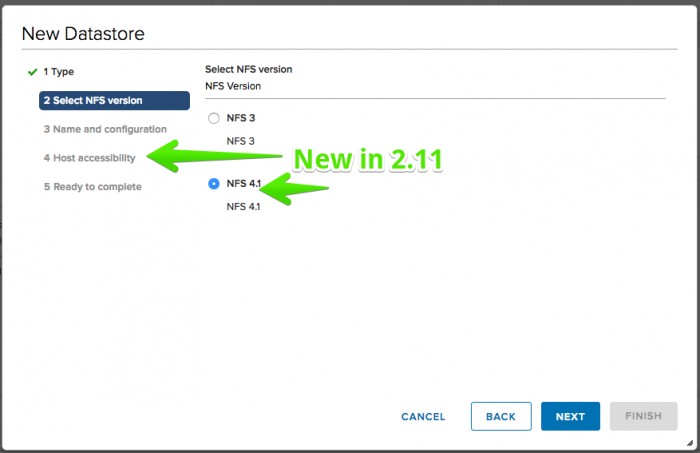
- Create new NFS4.1 datastore (multiple servers)
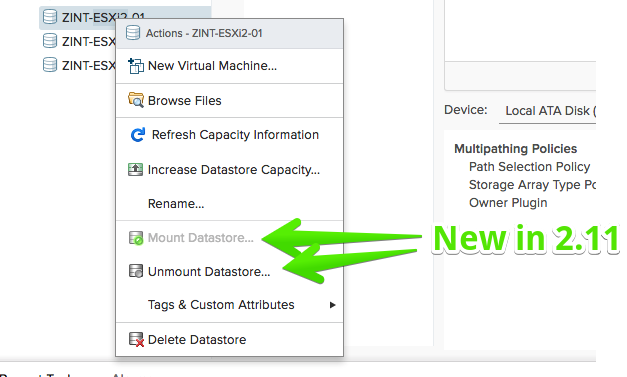
- Mount/Unmount VMFS datastore
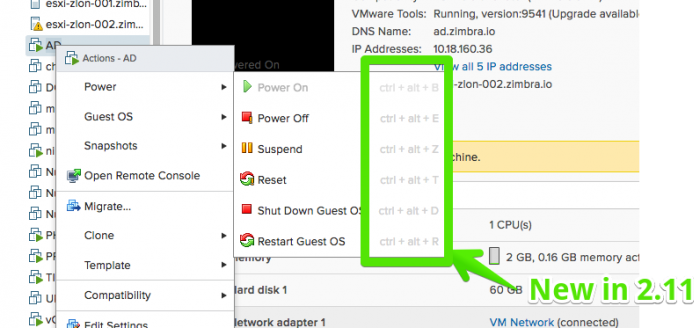
- Keyboard shortcuts for power operations on virtual machines
Improvements
- Launch New Virtual Machine wizard from datastore and datastore cluster
- Edit settings dialog of VM shows Tools Upgrade option for Power on
- Delete datacenter from inventory
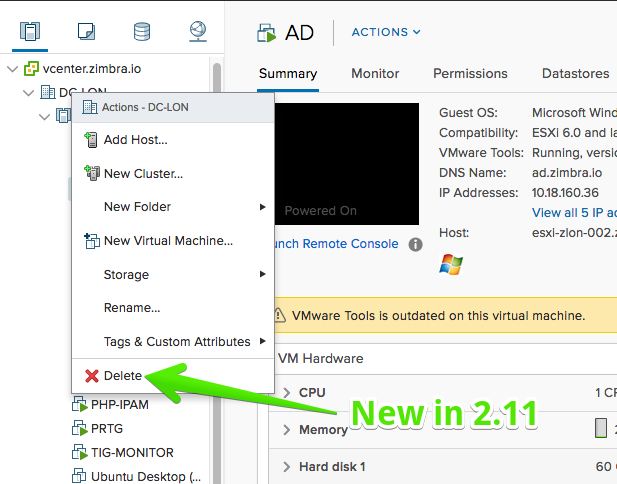
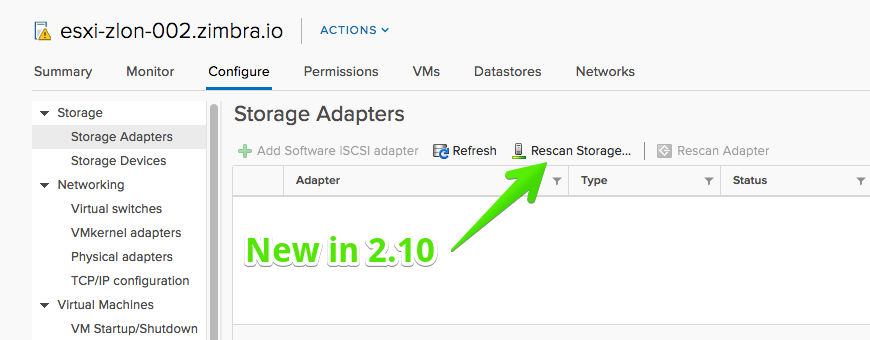
Fling 2.10 – Build 4530788
New Features
- Rescan storage (rescan for new VMFS volumes/new Storage Devices)
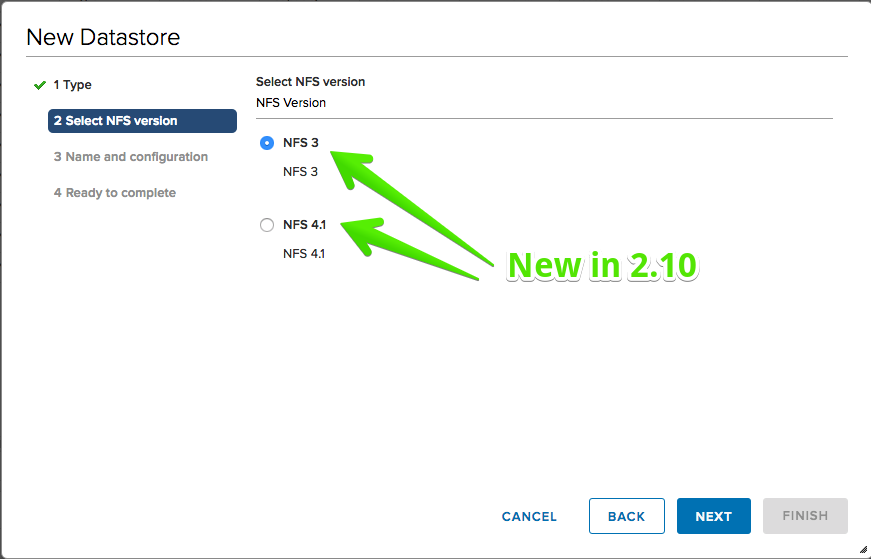
- Create new NFS3 datastore
- Create new NFS4.1 datastore (single server only)
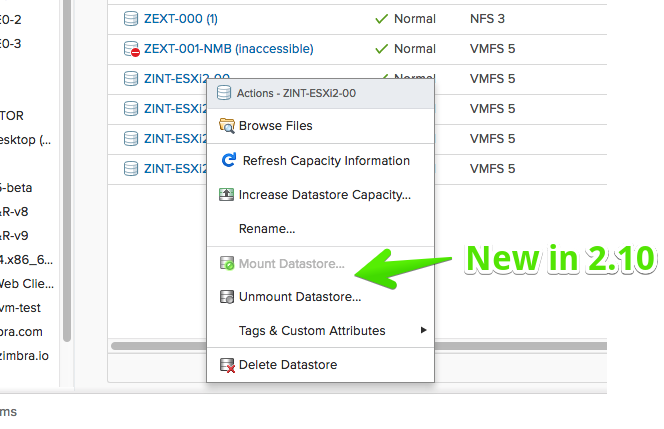
- Mount/Unmount VMFS datastore
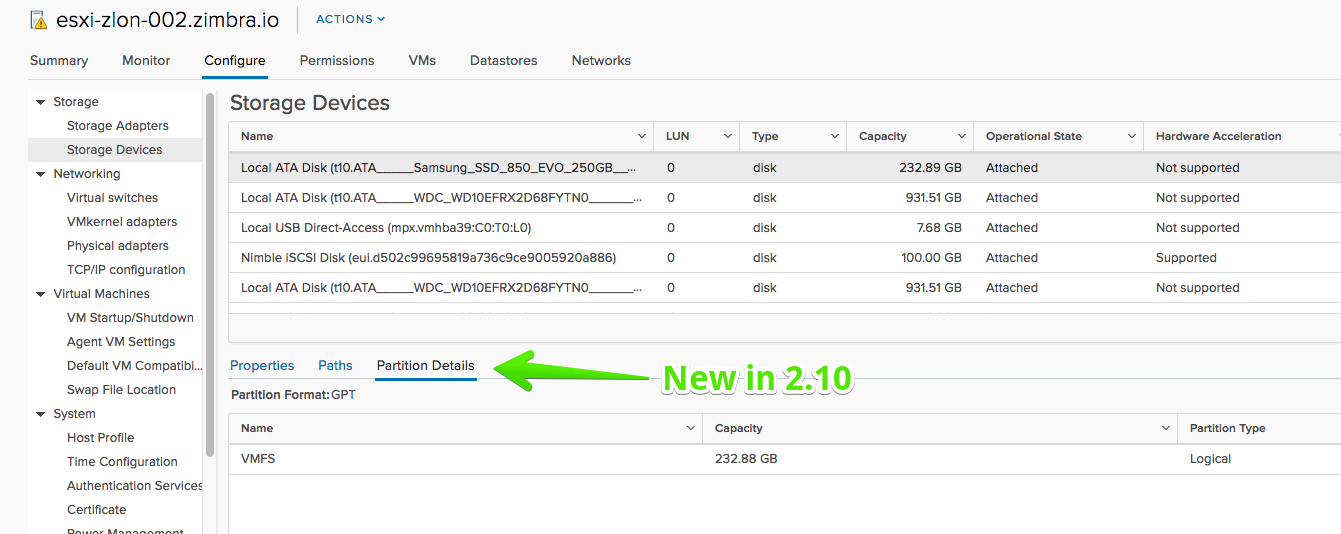
- Partition Details view for Host Storage Devices (Host > Configure > Storage Devices)
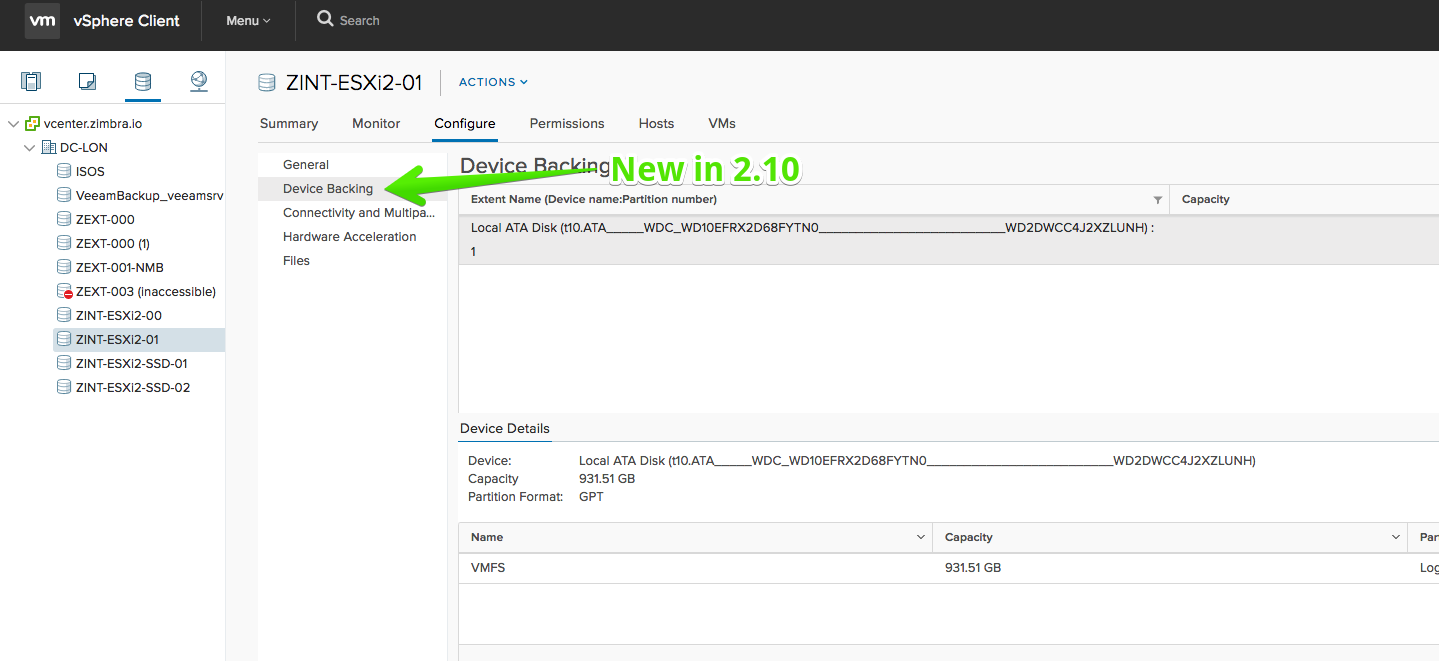
- Device Details view for VMFS backing device (Datastore > Configure > Device Backing)
- Enable/Disable storage device’s path
- Remove Dynamic/Static Discovery Targets from Storage iSCSI adapter
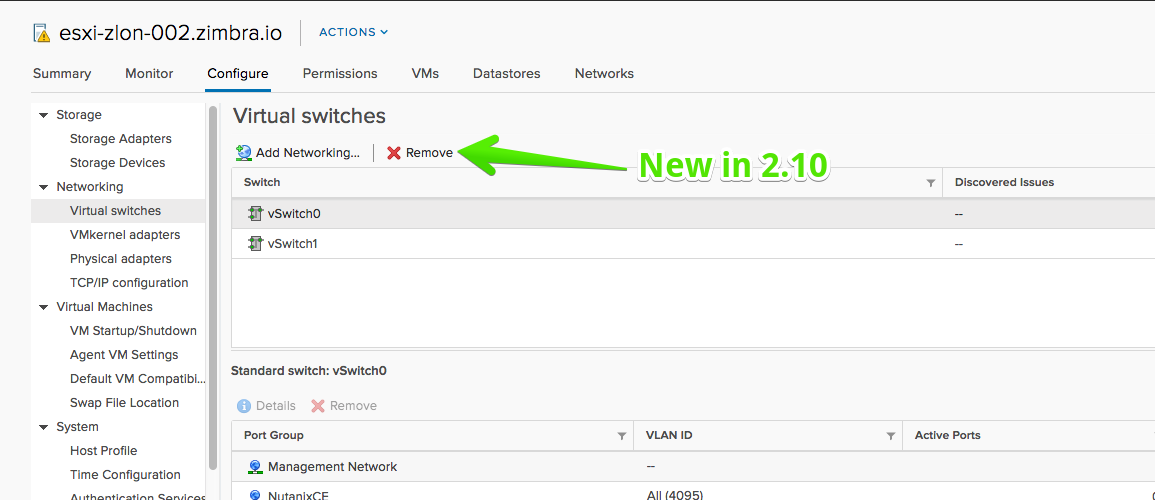
- Remove Standard Switch
- Lockdown mode can be edited for ESXi hosts
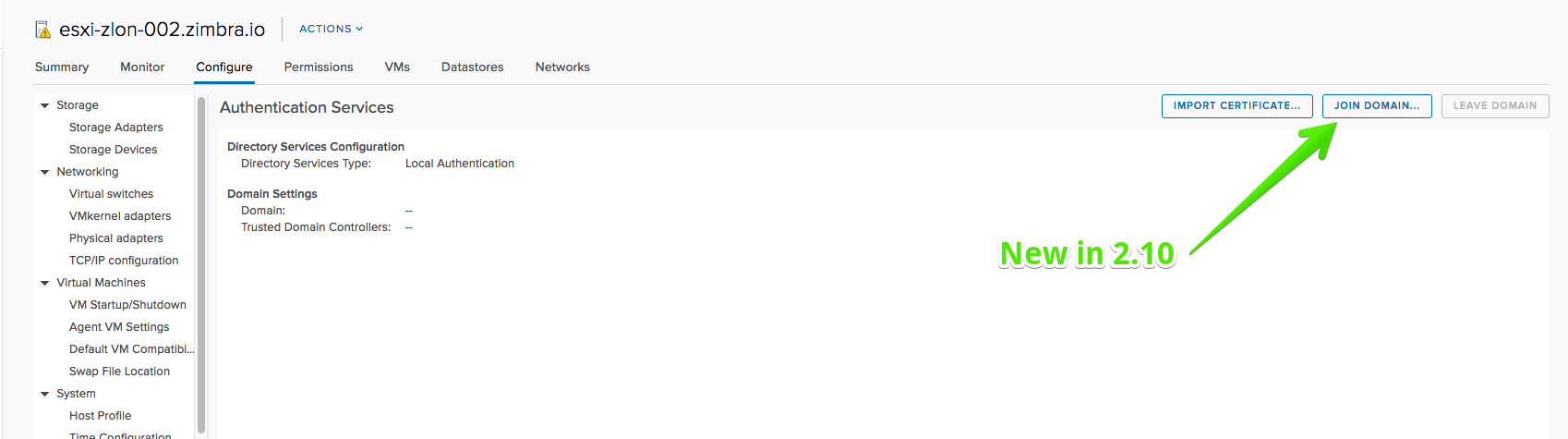
- ESXi hosts can be joined to domain
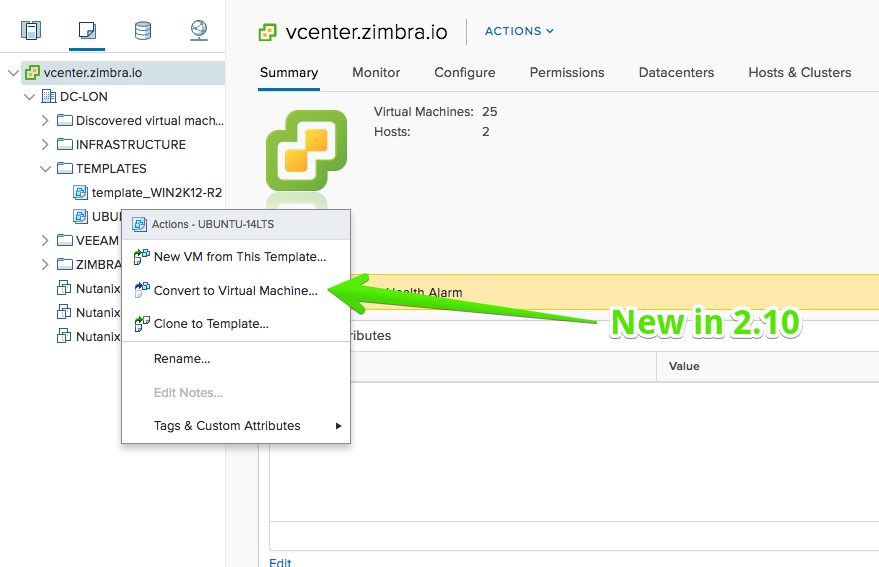
- Convert VM template to VM
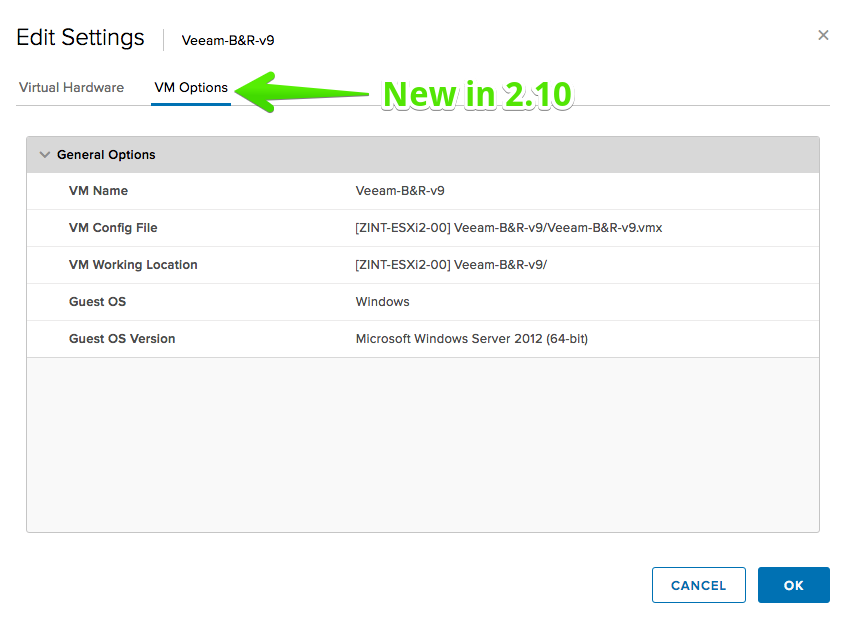
- VM options in edit settings dialog will show general options
- Create new global categories for tags
- Search will return the results for tags
Improvements
- Validation messages for incorrect input when adding Dynamic/Static discovery targets
Fling 2.9 – Build 4495439
New Features
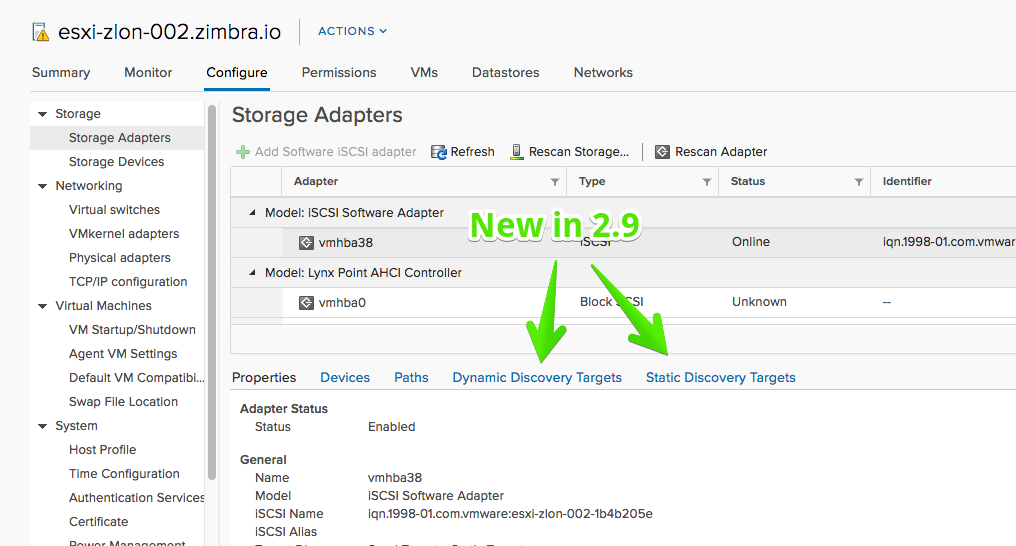
- Adding Dynamic/Static Discovery Targets to Storage iSCSI adapte
- Rescan selected adapter on Host Storage Adapters view
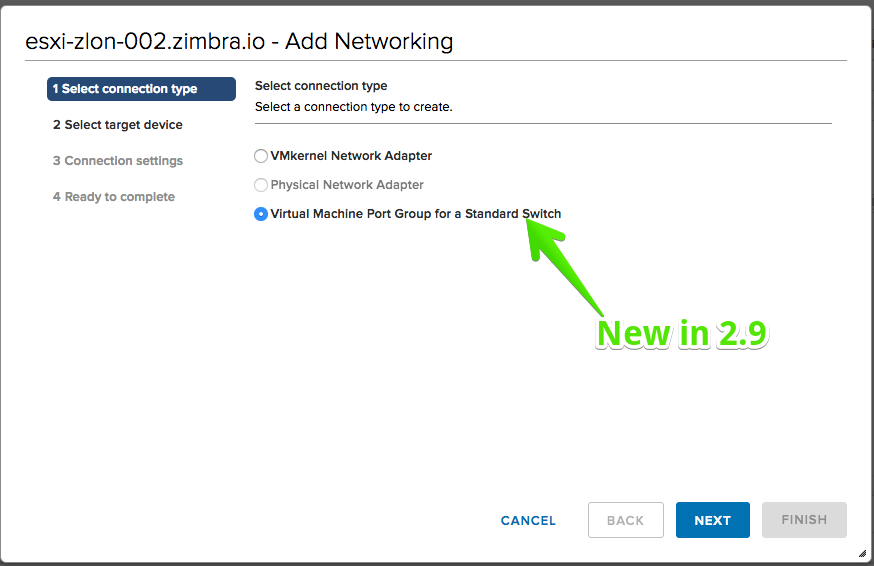
- Add Port Groups to Standard Switches
- Create new Tags for existing categories
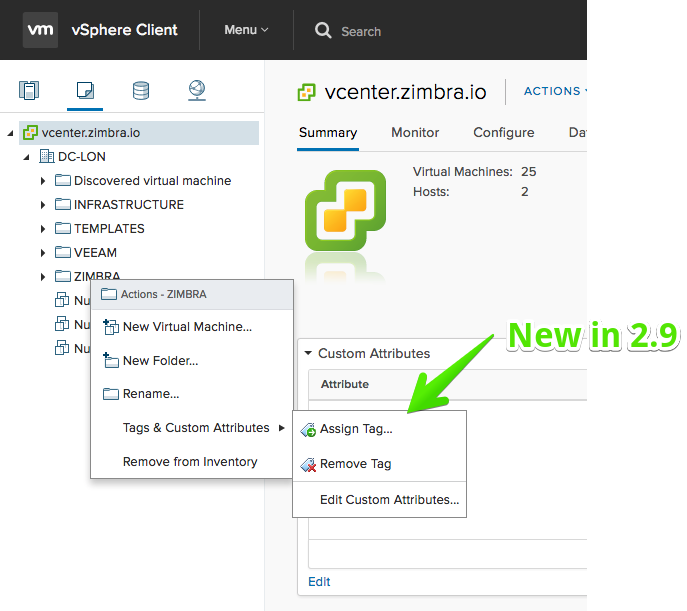
Improvements
- VMware Tools operations on multiple VMs (install/upgrade, unmount)
- Performance enhancements on edit VM settings dialog particularly for VMs with multiple devices
Fling 2.8 – Build 4468521
New Features
- Expand and collapse recent tasks panel

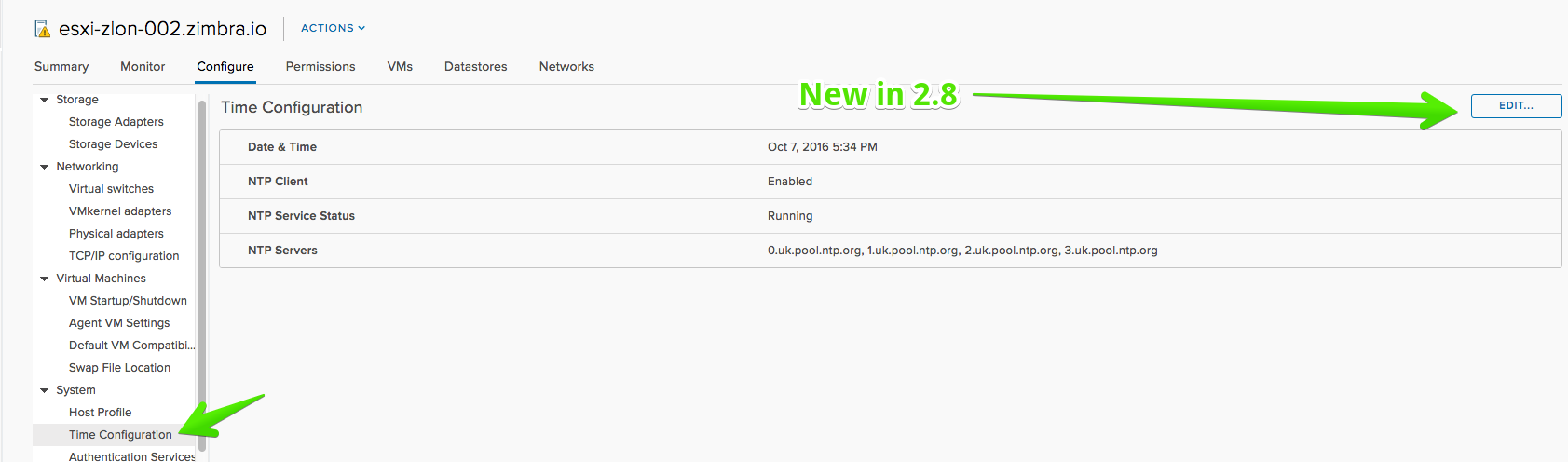
- ESXi time/NTP can be configured
- DRS affinity rules can be added and removed
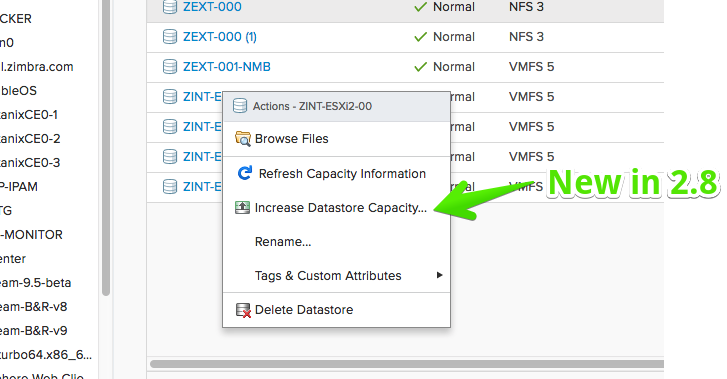
- Increase datastore capacity action
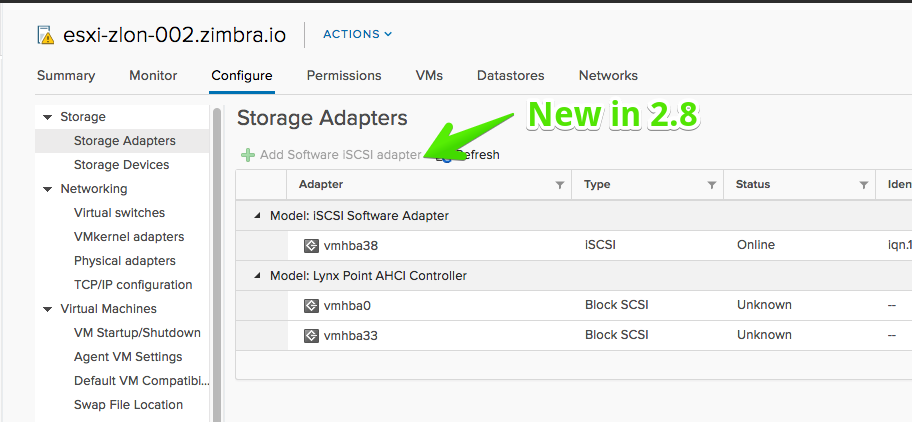
- Add Software iSCSI adapter action on Host Storage Adapters view
- Refresh host storage information on Host Storage Adapters view
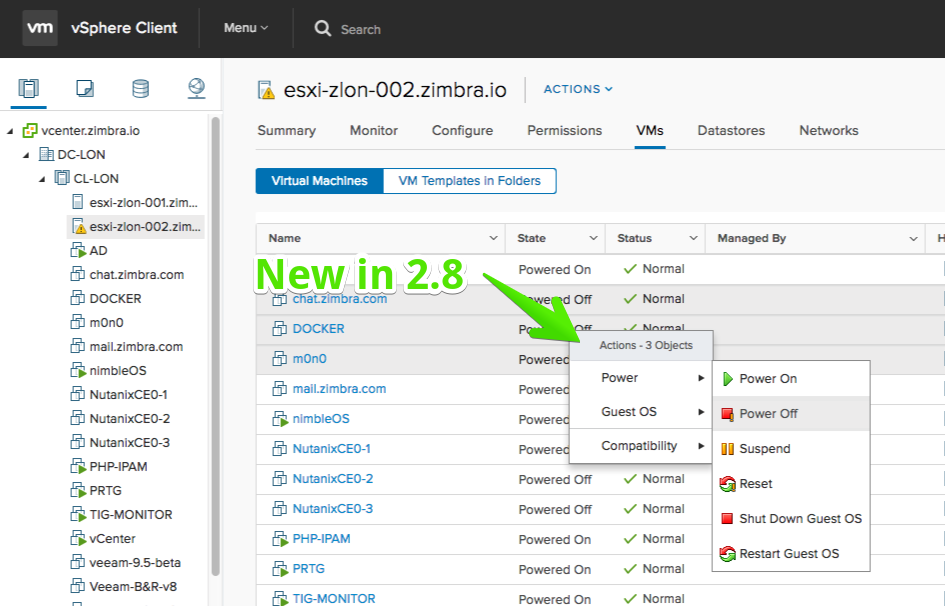
- Power operations on multiple VMs
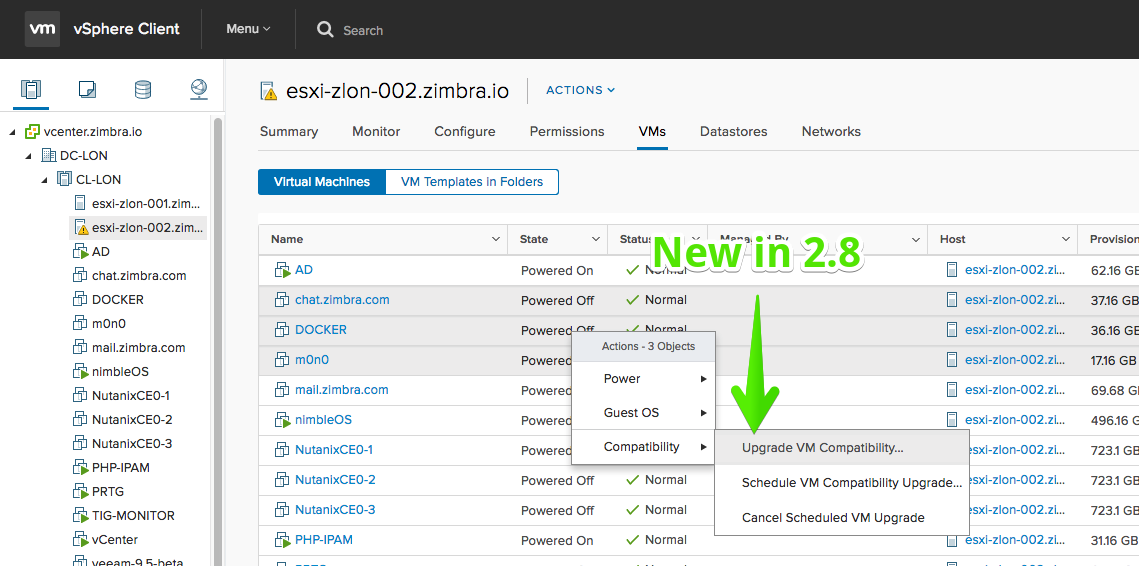
- VM Hardware Compatibility version upgrade on single and multiple VMs
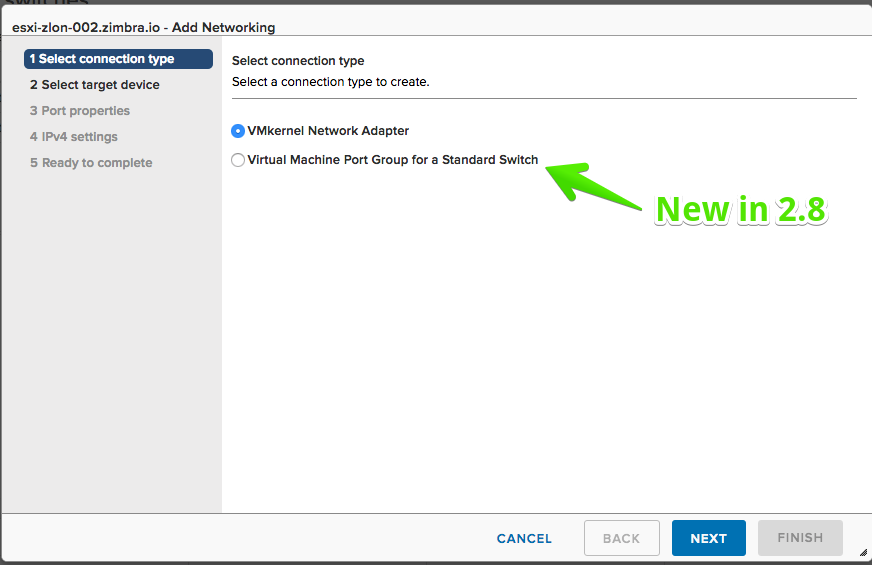
- Create new port groups on standard switches
- View settings of distributed port groups
Improvements
- Edit shares and provisioning type for a VM
- The VM Templates in Folders list shows full details for the VM templates
- FAMI now shows build numbers
Fling 2.7 – Build 4440864
New Features
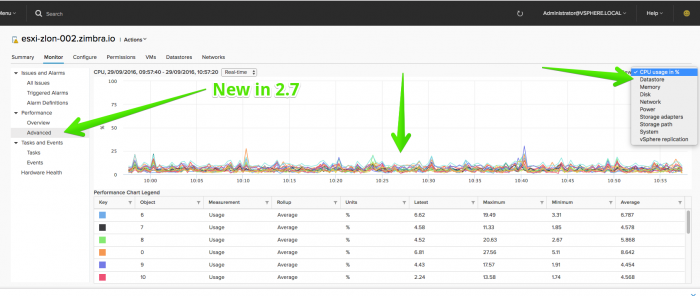
- Advanced performance charts (to replace the current overview performance charts):
- Predefined views for most inventory objects
- Live chart updates
- Timespan can be configured
- Zooming on a subarea of the chart is also an option
- VM/Host DRS affinity groups can be managed.
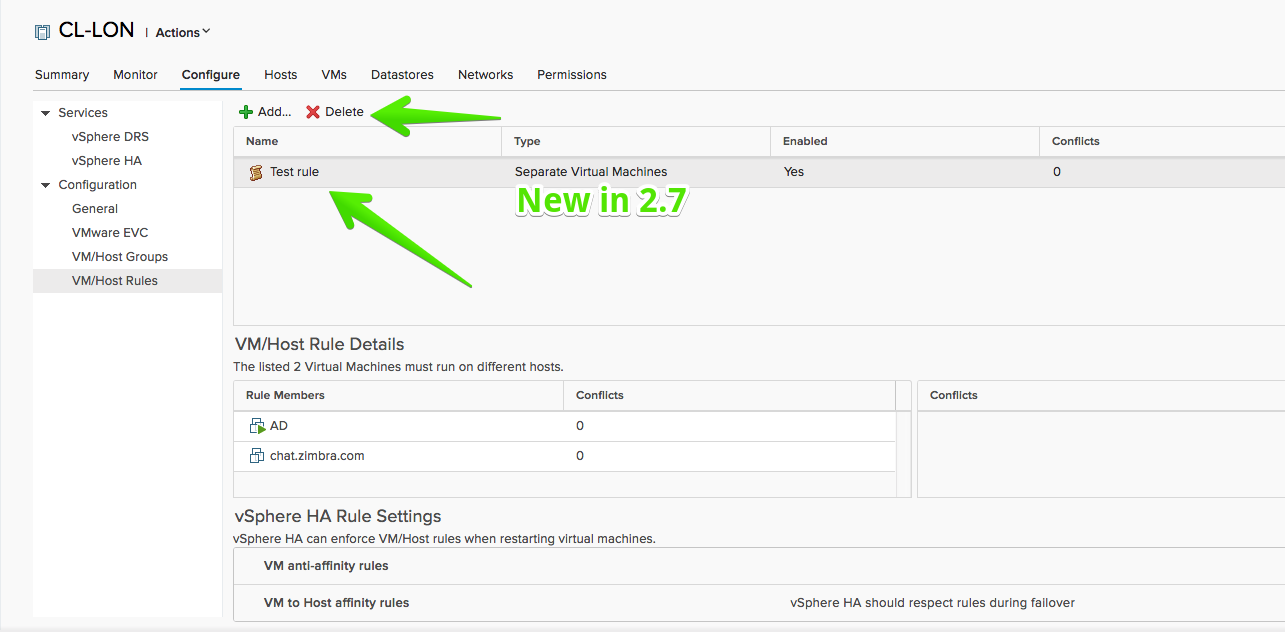
Improvements
- Host hardware health: the raw CIM data can be saved to disk.
Fling 2.6 – Build 4410038
Improvements
- Details view for the available paths for Host Storage device
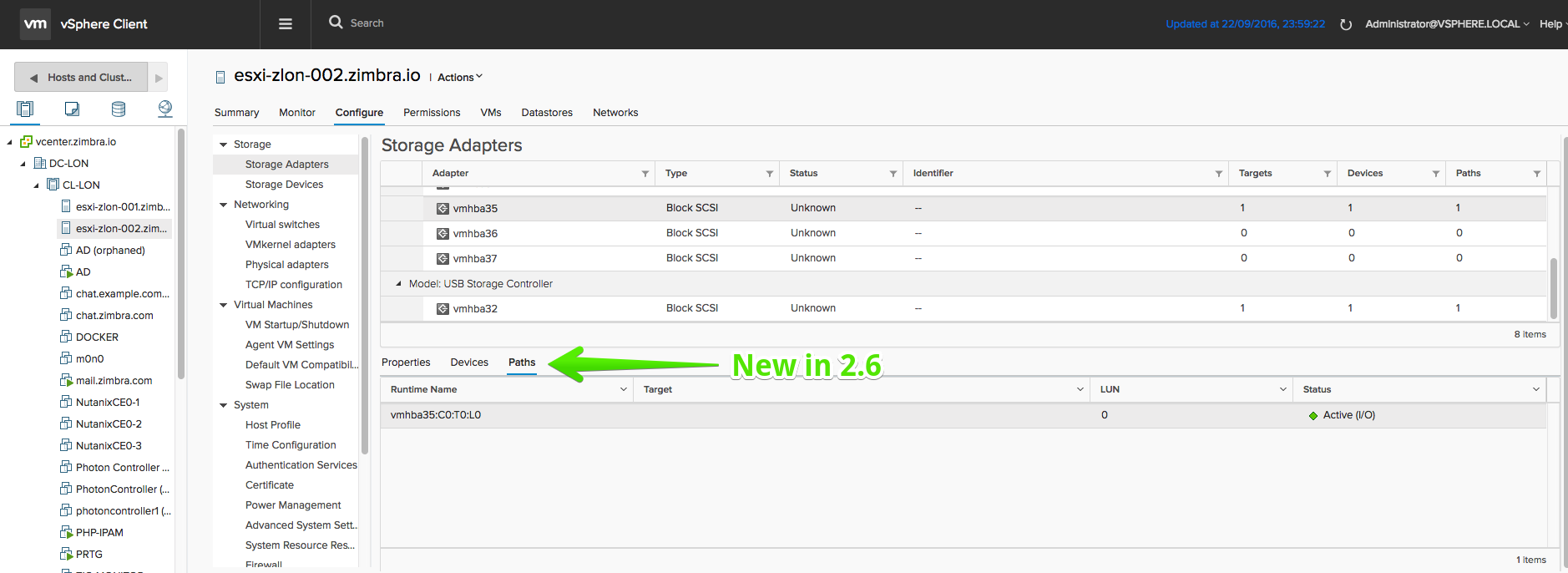
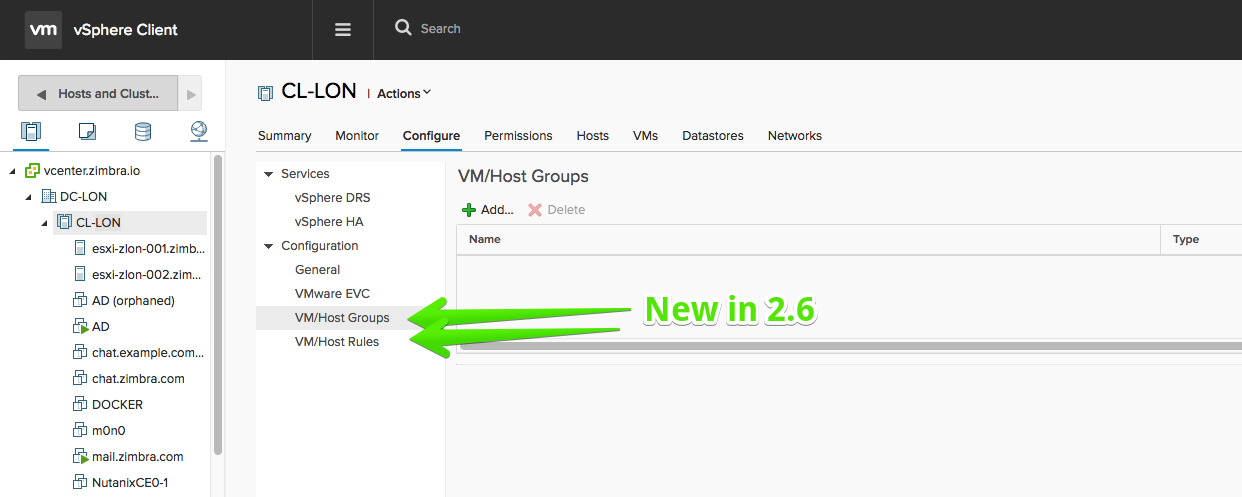
- VM and Host groups can be created and edited
- VM/Host rules can be viewed
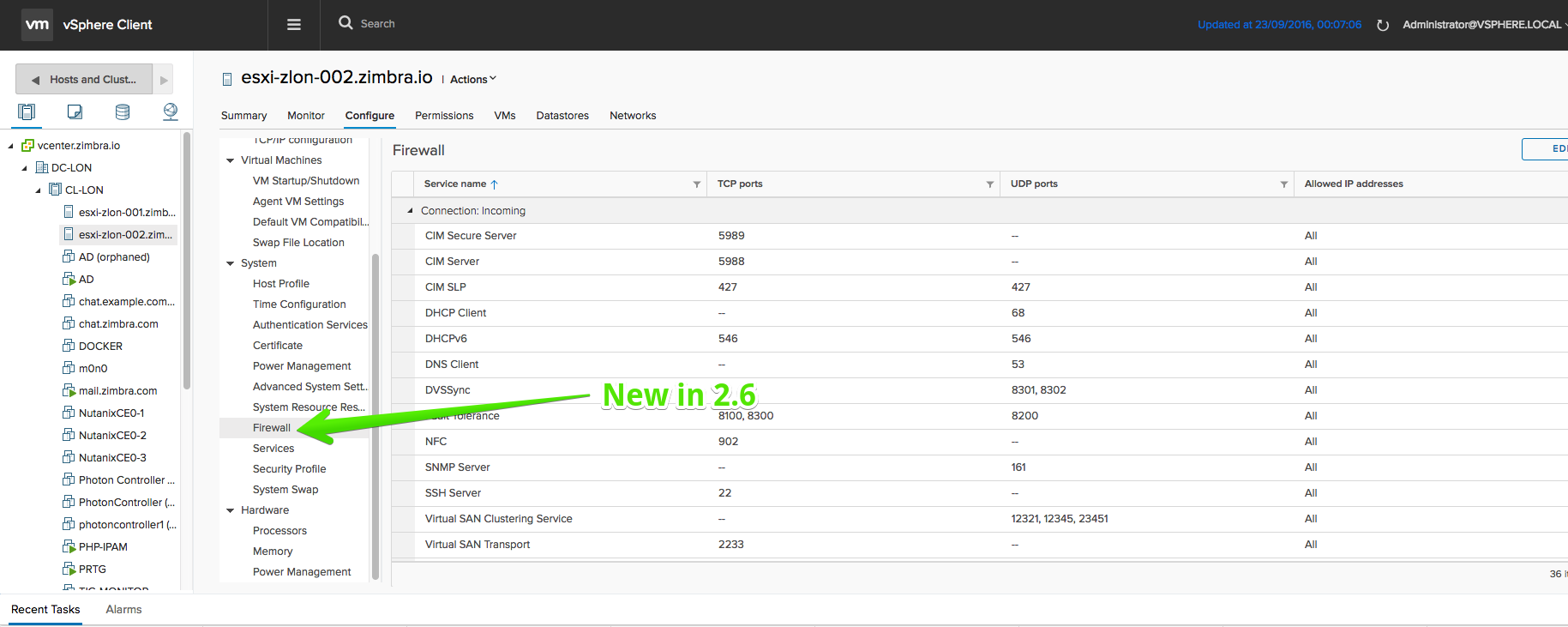
- Host firewall settings can be edited
- VM swap/host system swap locations can be changed
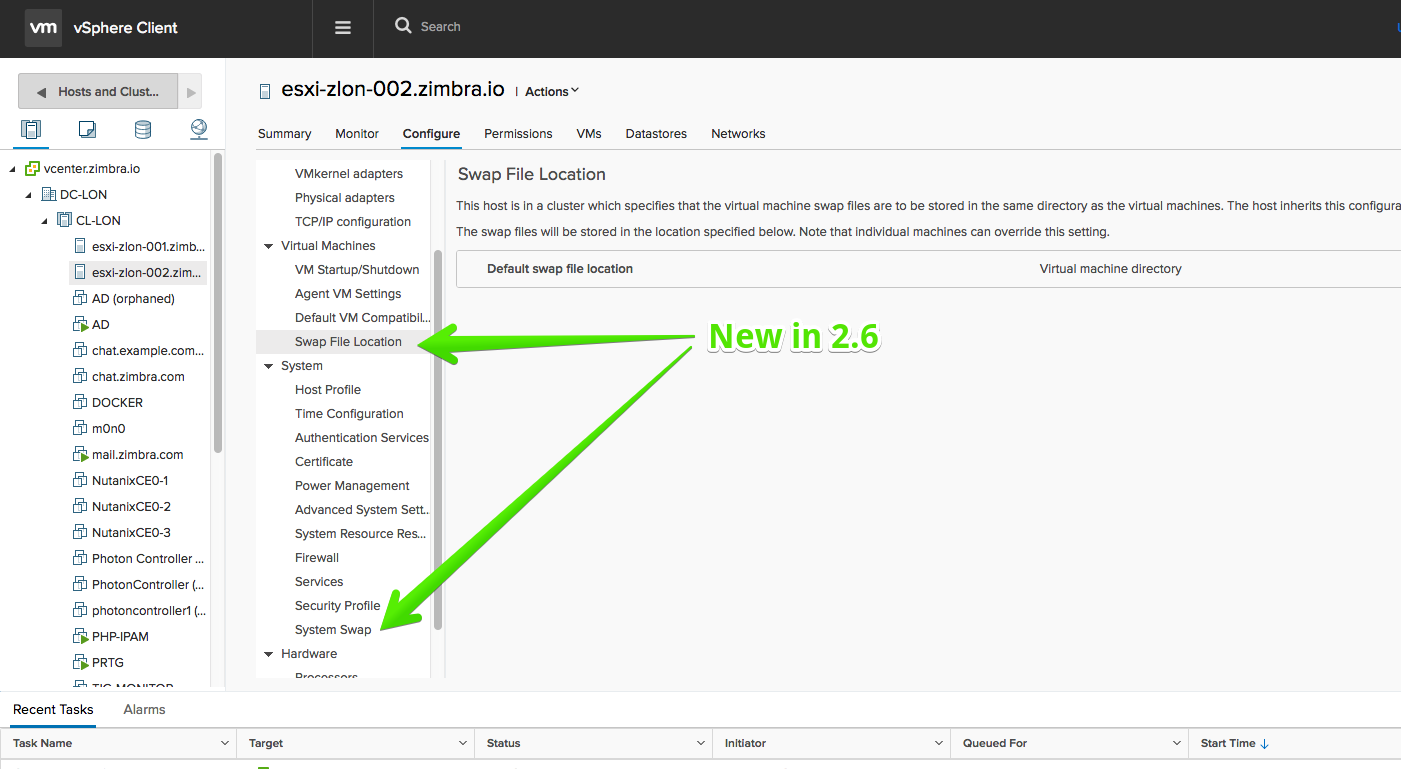
Improvements
- Host advanced settings can be filtered during editing
- Resource settings for resource pools/vApps can be managed
- Remove folders from inventory
Fling 2.5 – Build 4380099
New Features
- Delete VMFS datastore action
- Details view for the available devices coming from Host Storage adapter
- Details view for the available paths for Host Storage adapter
Improvements
- Some performance improvements to the edit VM settings workflow
- FAMI will show the HTML5 web client version number for new appliance installations
Fling 2.4 – Build 4360209
New Features
- Resource pools can be created
- DRS recommendations/faults can be monitored
Improvements
- User can now rename folders
Fling 2.3 – Build 4313874
New Features
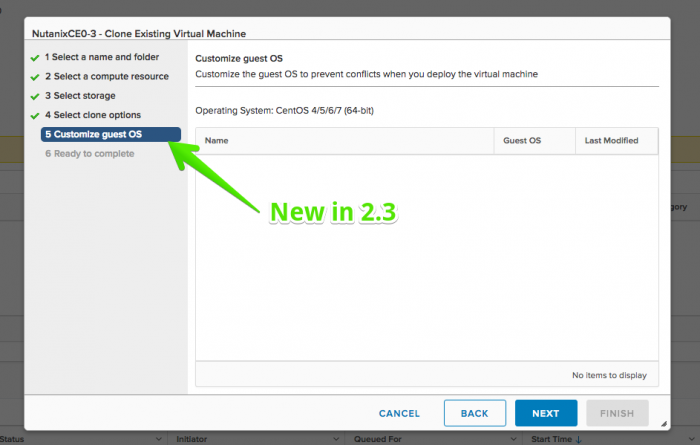
- Customize guest OS during clone for VMs with multiple NICs
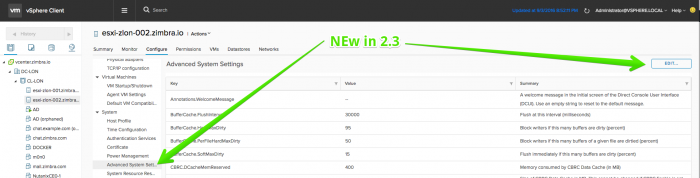
- ESXi advanced settings can be edited
Improvements
- Memory for a VM specified in GB by default
- Resource pool settings are displayed on its summary page.
Fling 2.2 – Build 4288673
New Features
- HA admission control settings can be modified.

- View and answer pending virtual machine questions
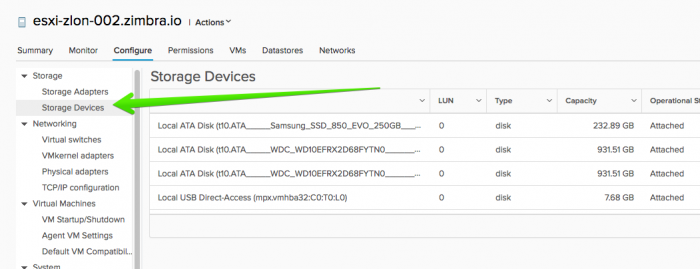
- General details for Host Storage adapters
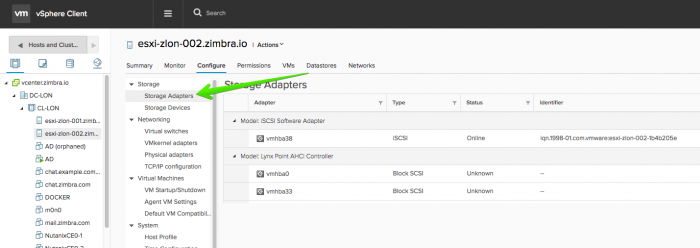
- General details for Host Storage devices
Improvements
- More information available for host hardware health sensors.
- Compatible and Incompatible with Storage Policy sections when selecting storage in Create\Clone VM wizard
Fling 2.1 – Build 4260749
New Features
- Folders can be created at vCenter and Datacenter level
- Specify IPv6 address when customizing the guest OS while cloning a VM
Improvements
- Tags and Custom Attributes available in the entire vCenter are displayed at a global level
Fling 2.0 – Build 4231781
New Features
- Fling deployments can now be managed through a UI, Hello FAMI! (Fling Appliance Management Interface). Find more details about FAMI in the instructions document.
Fling 1.17 – Build 4202128
New Features
- An HTML Client SDK is added to help you develop and build user interface extensions. Notes are part of the documentation in the html-client-sdk-6.5.0-4206253.zip.
- Added CDP and LLDP info for physical network adapters
- New “Hardware acceleration” list for datastores ([Datastore] -> Configure -> Hardware acceleration)
- New “Device Backing” list for VMFS datastores ([Datastore] -> Configure -> Device Backing)
Improvements
- The effective HA responses for failures for a VM can be seen on the VM summary screen.
- Custom Attributes and Tags actions from action menu
Fling 1.16 – Build 4172537
New Features
- Host hardware health can be monitored (sensor state and readings only).
- Create new datacenter
- Add VMkernel adapters
Improvements
- HA advanced settings can be edited
- HA response for APD conditions can be changed
- Capture snapshot of a powered ON VM with the memory
- Assign and remove tags on objects
- New “Connectivity and Multipathing” list for VMFS datastores ([Datastore] -> Configure -> Connectivity and Multipathing)
Fling 1.15 – Build 4144640
New Features
- Overview performance charts now have realtime option
- Input IPv4 address when customizing guest OS while cloning a VM
- Tags are displayed in the summary portlets of all the objects
- ESXi hosts can be put into standby mode and powered back on.
Improvements
- HA datastores for heartbeat can be managed. Slight redesign in Edit HA dialog.
- HA response for datastore under PDL can be changed.
- Startup policy of ESXi services can be changed.
Fling 1.14 – Build 4114669
New Features
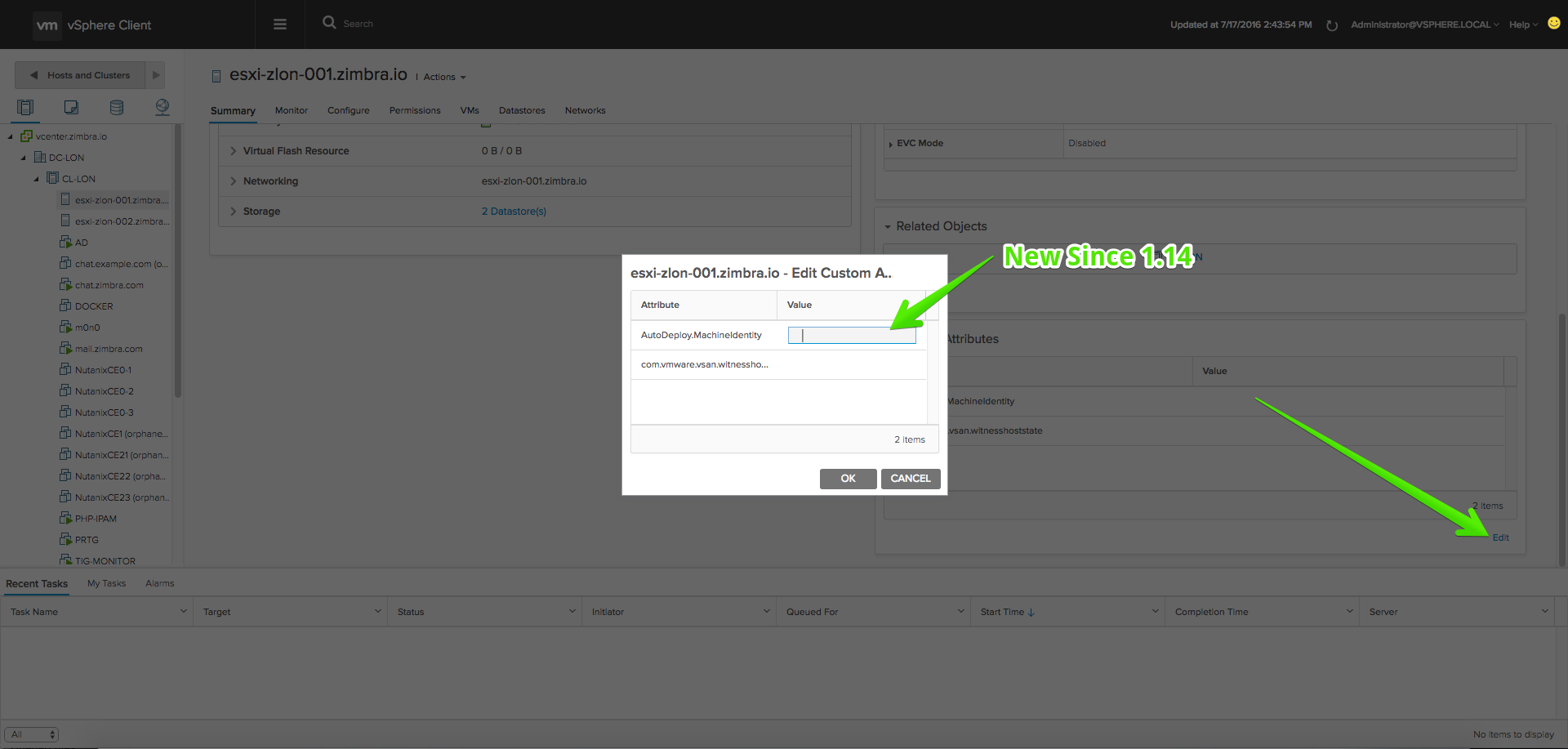
- Custom attribute names and values can be edited.
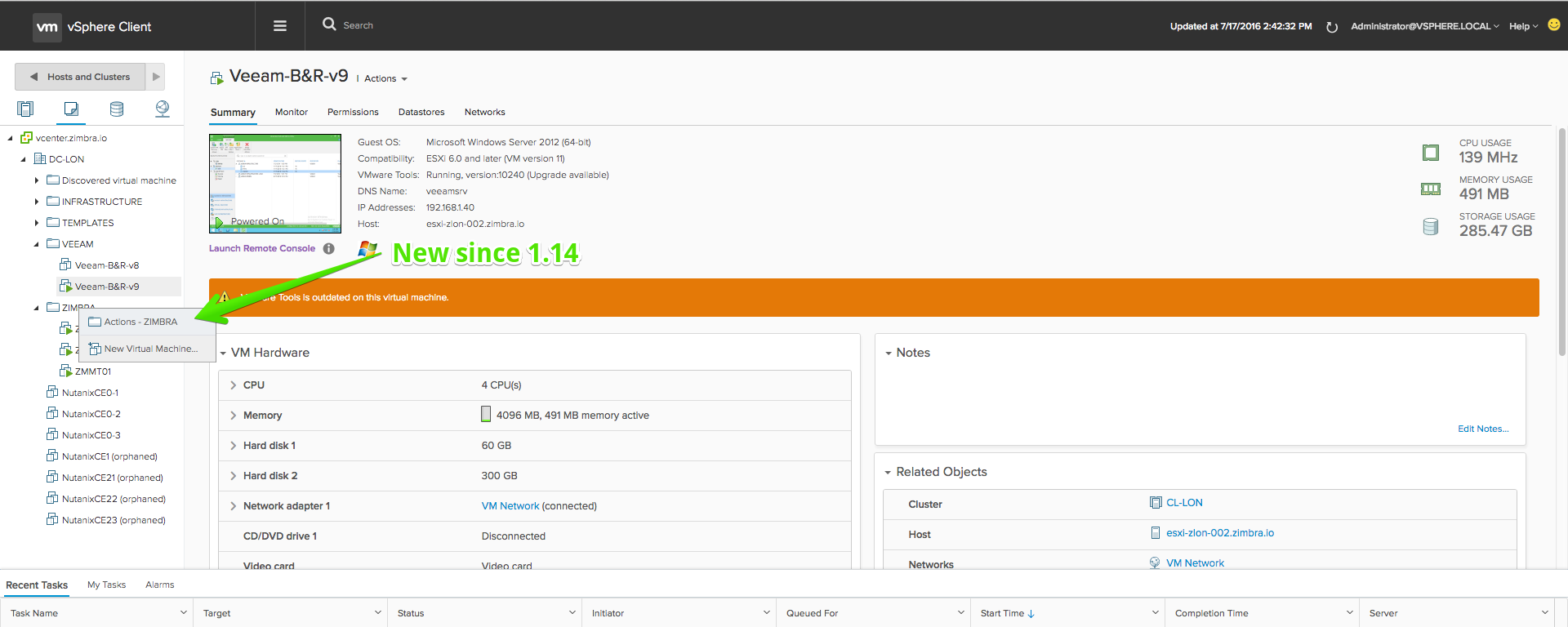
- Create a VM on a folder
Fling 1.13 – Build 4091365
New Features
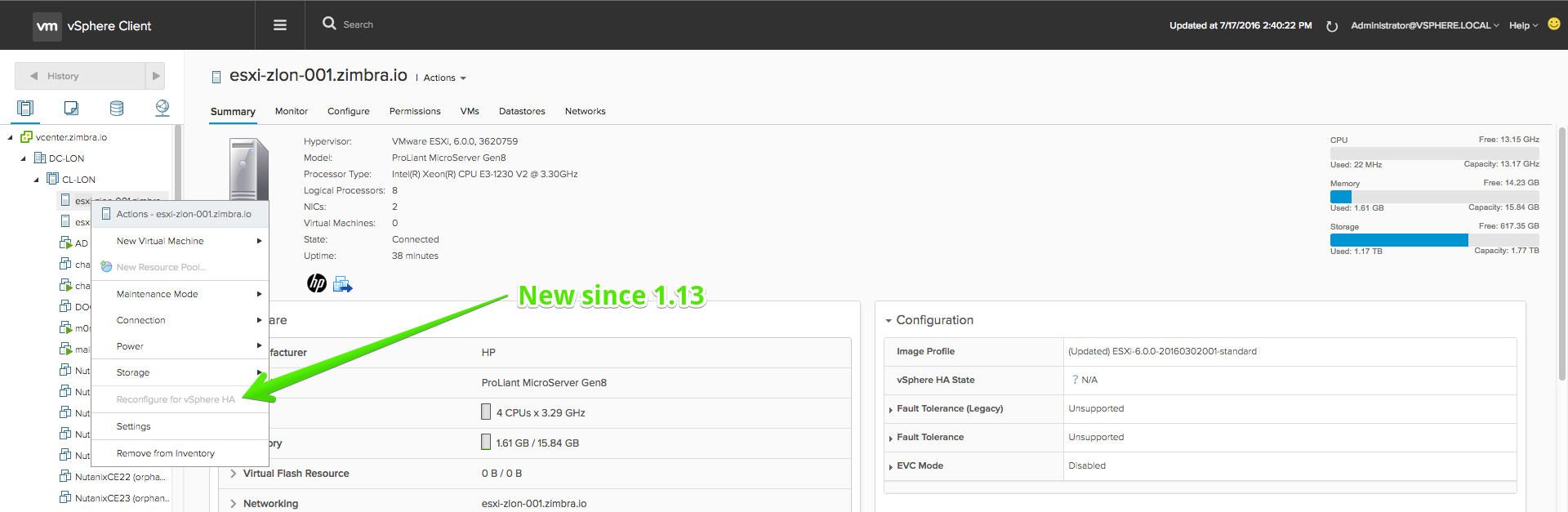
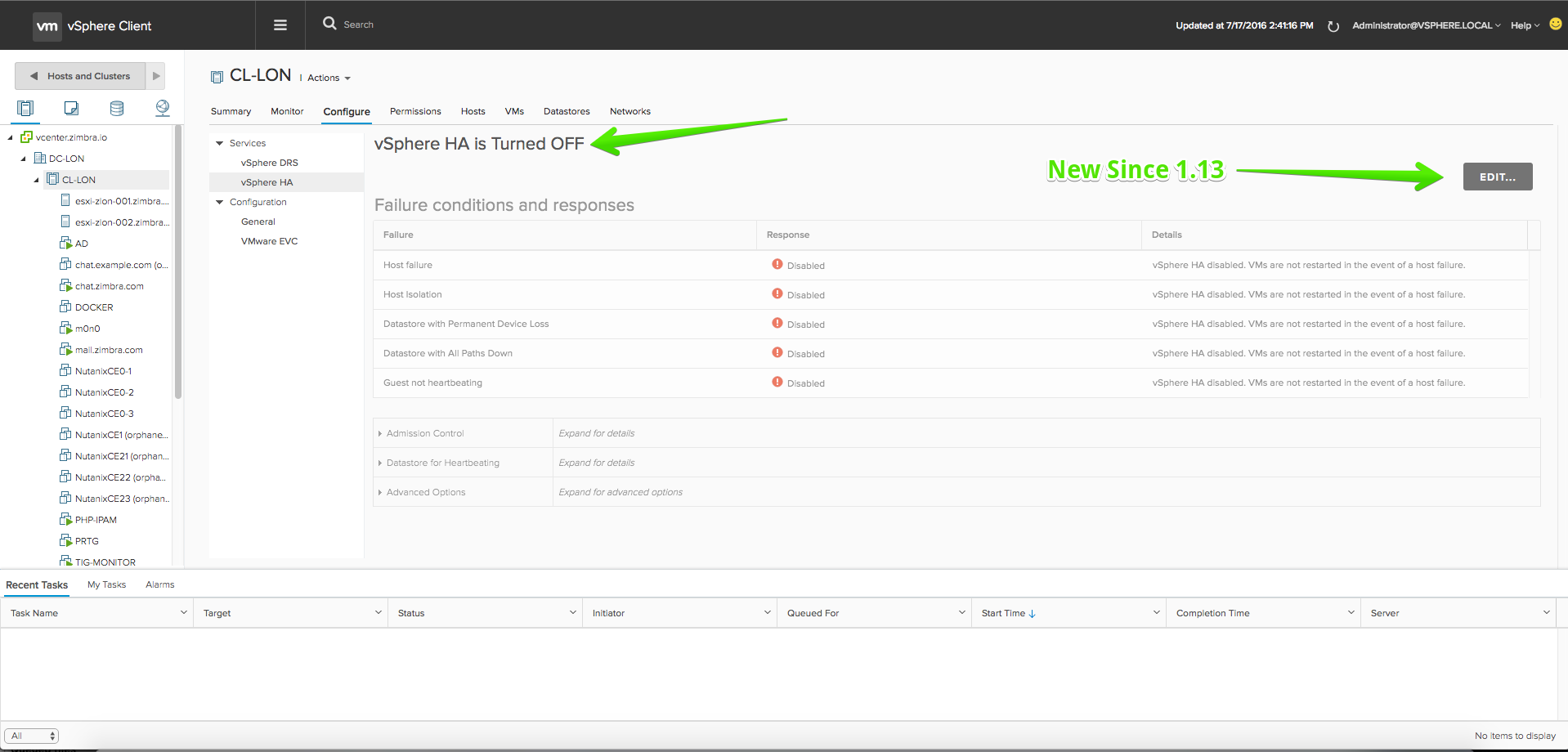
- Hosts can be reconfigured for vSphere HA.
- Basic ability to edit the HA settings of a cluster
- Live refresh of Manage snapshot tree (revert, delete, delete all)
Fling 1.12 – Build 4059162
New Features
- Automatically upgrade VMware Tools on a VM

- Select between 12/24h time format
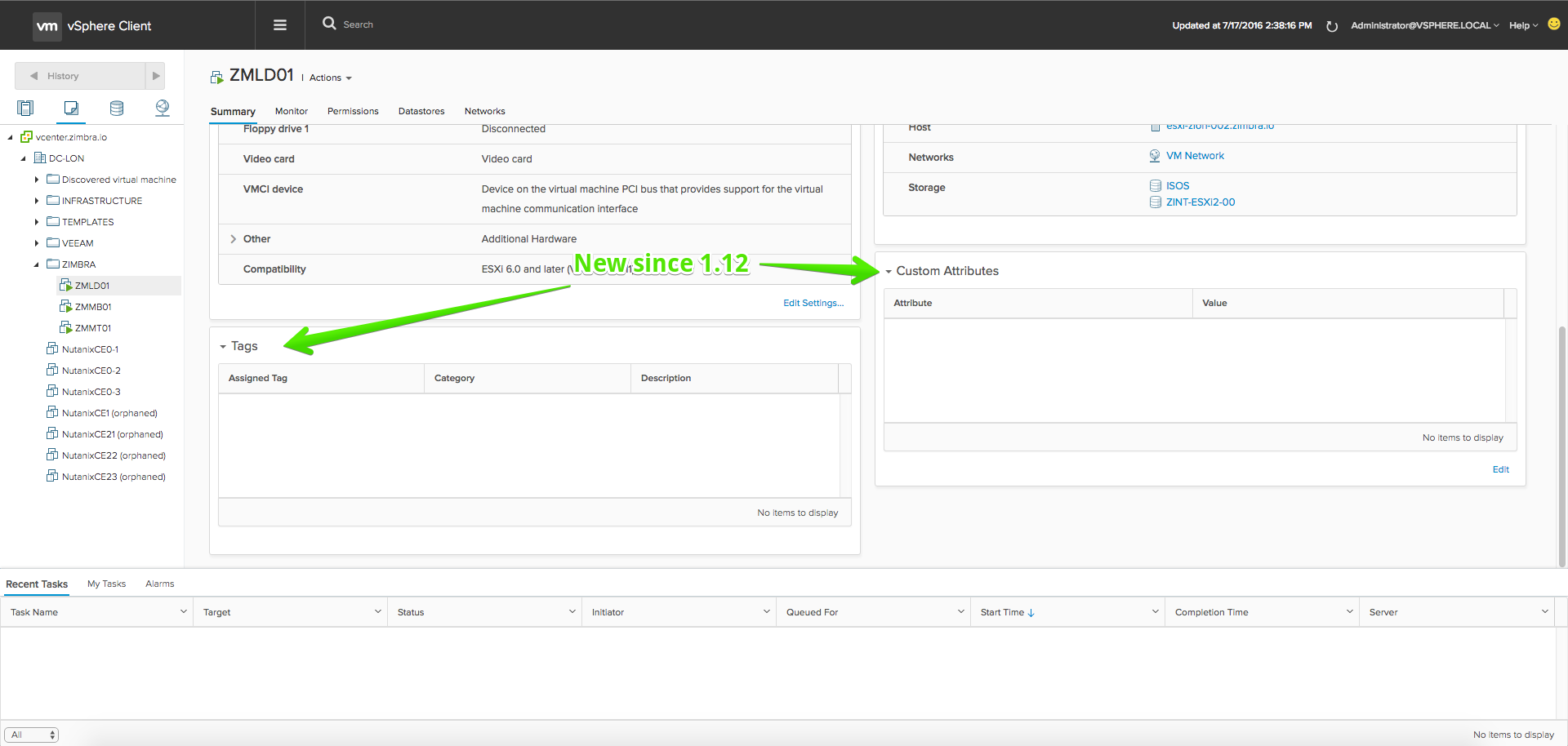
- Display of custom attributes in Summary portlets

- Display of Tags in the Summary portlets of VMs only
Fling 1.11 – Build 4029771
New Features
- Add VMFS Datastore wizard
- Host firewall and services information can be viewed
- Upgrade VMware Tools (interactive only)
Improvements
- View details of VMkernel adapters
- Select a storage policy when editing hard disk’s location
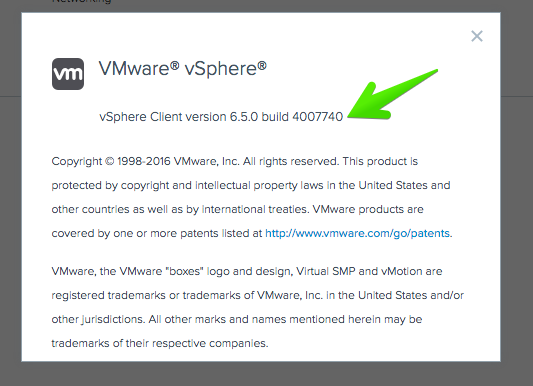
Fling 1.10 – Build 4007740
New Features
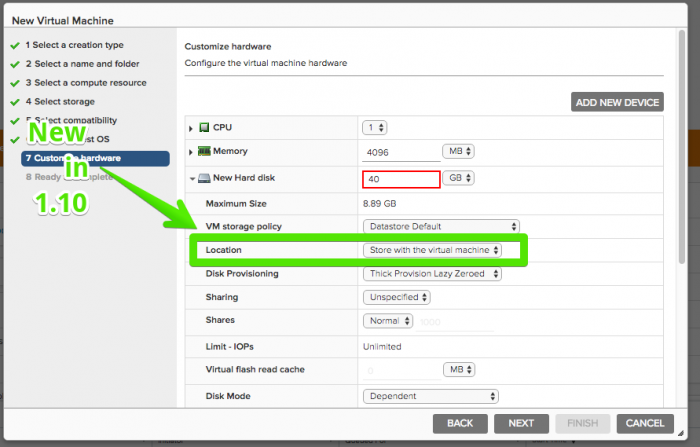
- Specify a different location for a hard disk when creating a VM
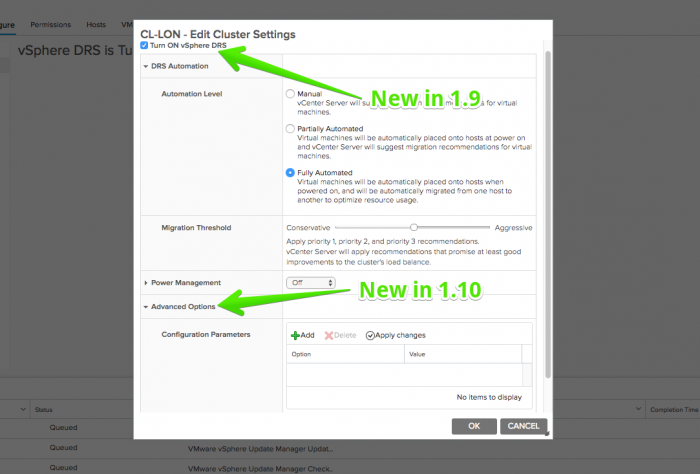
- Advanced DRS settings can be configured
Fling 1.9 – Build 3984031
New Features
- DRS and DPM settings of a cluster can be viewed and edited
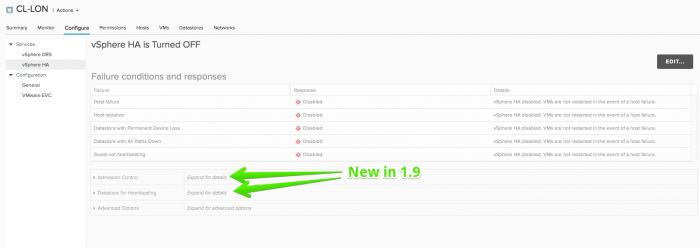
- HA admission control and heartbeat datastores configuration can be viewed
- Default VM compatibility can be viewed and edited on the cluster level
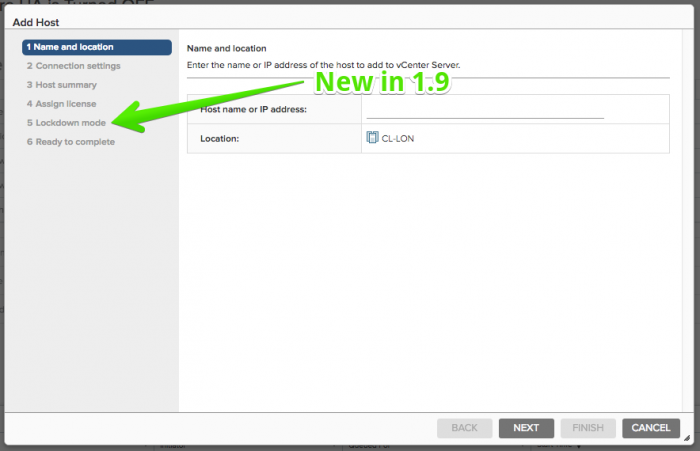
- Add host wizard has selection of lockdown mode settings
- Add host to a cluster now allows creation of a new resource pool for the host’s vms
- Alarms moved to bottom panel, thus giving more real estate in the central pane.

Os dejo la URL del Fling para que podáis descargarlo, o echar un vistazo – https://labs.vmware.com/flings/vsphere-html5-web-client#summary
Hay algún problema que pueda presentarse con versiones inferiores de ESXi? O se puede aplicar la actualización sin problema alguno?
Saludos Mario,
En este caso ese blog Post es para vSphere Web Client, no para ESXi Host Embedded Client. A cual te refieres?
Un saludo